GameZone Tier Calculator
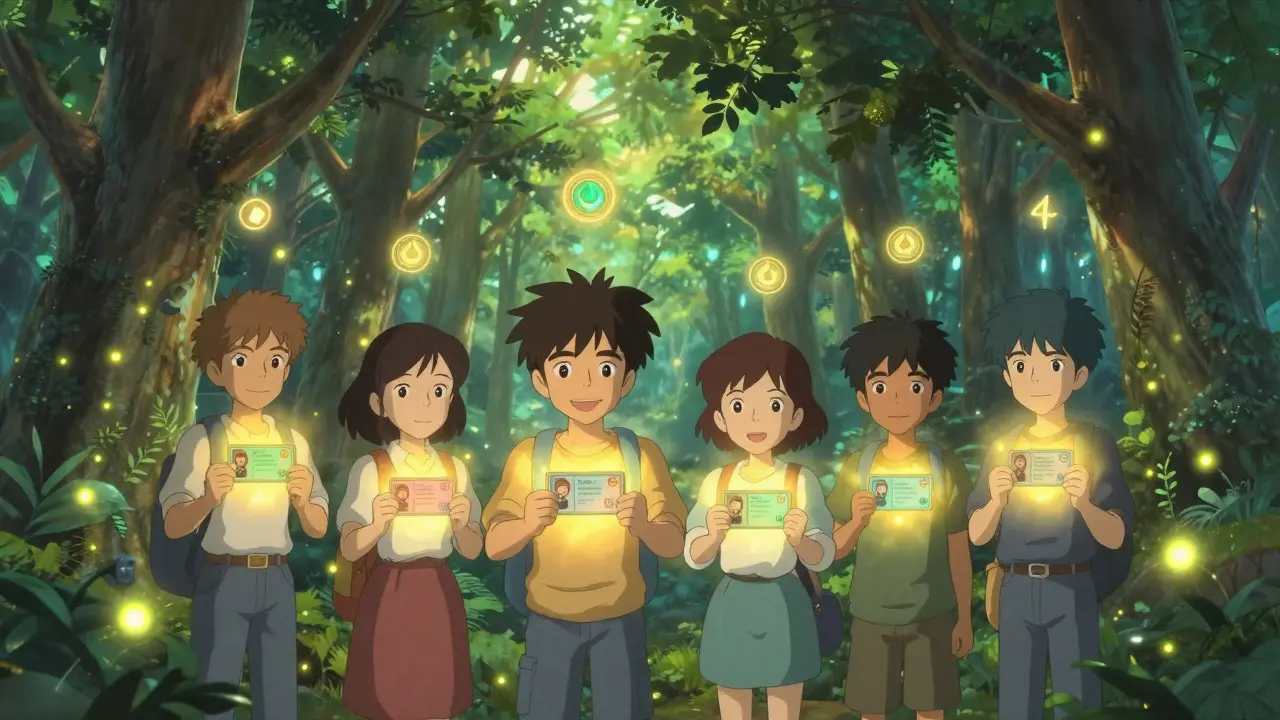
Calculate your GZONE staking tier and understand your access to upcoming game launches. Your tier determines your allocation in new game launches and access to exclusive features.
When GameZone launched its GZONE token in 2021, it didn’t just run another typical crypto token sale. It built a system meant to level the playing field for everyday gamers who wanted in on the next big blockchain game - without needing a six-figure wallet. The platform’s IDO wasn’t just about raising money. It was about giving real people access to games like Katana Inu, Galactic Quadrant, and Velhalla before they hit big exchanges. And while there wasn’t a traditional ‘claim your free tokens’ airdrop, GameZone created something even more powerful: a continuous reward engine built into its tokenomics.
How GameZone’s IDO Actually Worked
The GameZone IDO didn’t happen in one big splash. It rolled out in three clear phases. First came the private sale, where early backers and partners bought in at a discount, raising $110,000. Then came the public IDO on DEX platforms, where anyone could participate by staking GZONE or connecting their wallet. That phase brought in another $112,500. Finally, a strategic funding round closed with $1 million from institutional players. Total raised: $1.22 million. That money didn’t just sit in a vault. It went straight into building the platform - incubating games, hiring developers, and setting up the marketplace.At its peak in November 2021, GZONE hit $1.18. That was the hype. But the real story wasn’t the price spike - it was the structure underneath. GameZone didn’t rely on hype alone. It built rules that rewarded patience and participation.
There Was No ‘Free Airdrop’ - But There Was Something Better
If you’re looking for a list of past airdrops where you could claim GZONE tokens for free, you won’t find one. GameZone never ran a Twitter-follow-or-retweet campaign. Instead, they made staking the gateway. Every time someone sold GZONE on the open market, 7% of that trade was taxed. Two percent of that went to burning tokens - shrinking the total supply. Five percent? That went directly into staking rewards.This isn’t a one-time airdrop. It’s a drip-feed of value for anyone who holds and stakes. The more GZONE you lock up, the more rewards you earn. And the longer you hold, the more you’re protected from short-term dumping. There’s even a 25% early unstaking penalty. That’s not a bug - it’s a feature. It keeps whales from flipping and crashing the price.
Think of it like this: instead of handing out free candy to everyone who shows up, GameZone gave everyone a membership card. The more you use it, the more perks you get. That’s how you build a loyal community - not by giving away tokens, but by making them valuable over time.
The Tier System: Your Staking Level Determines Your Access
GameZone doesn’t give everyone equal access to new game launches. That’s intentional. If 10,000 people try to buy into a hot new game at the same time, only the biggest wallets get in. GameZone fixed that with a four-tier system based on how much GZONE you stake.- Tier 1: 1,000-4,999 GZONE - basic access to smaller IGOs
- Tier 2: 5,000-19,999 GZONE - priority access to mid-tier games
- Tier 3: 20,000-99,999 GZONE - early access to top projects
- Tier 4: 100,000+ GZONE - guaranteed allocation in flagship launches
Your tier isn’t just a badge. It’s your ticket. The higher your tier, the bigger your pool weight - meaning you get a larger slice of the token pie when a new game launches. A Tier 4 holder might get 10x the allocation of a Tier 1 holder in the same IGO. That’s how you prevent whales from snapping up everything. It’s not about who has the most money. It’s about who’s been committed the longest.
What You Can Do With GZONE Today
GZONE isn’t just a governance token. It’s a key to multiple parts of the ecosystem.- Staking: Earn 5% of every sell fee as rewards. No need to hunt for yield farms - it’s automatic.
- Game Access: Use your tier to get into upcoming IGOs and INOs. Recent launches include Katana Inu and Velhalla.
- Marketplace: Buy, sell, or trade NFTs from supported games. Fees are lower for higher-tier holders.
- Incubation: If you’re a game dev, GameZone’s team helps you with legal docs, token design, marketing, and tech setup - all paid for in GZONE.
The platform doesn’t just list games. It builds them. That’s why projects like Galactic Quadrant made it to market - GameZone didn’t just fund them. They helped design their economy, wrote their smart contracts, and handled their launch strategy.
Current Price and Market Reality (December 2025)
Let’s be real: GZONE is down hard. It’s trading at $0.00274 as of mid-December 2025. That’s down over 99% from its all-time high. The 30-day volatility is 13.21%. The RSI is at 15.56 - deeply oversold. The 200-day moving average is $0.0229, and the price is nowhere near it.This isn’t a failure. It’s a market correction. The entire crypto market has been in a multi-year slump. Many GameFi tokens have collapsed. But GameZone’s fundamentals haven’t changed. The platform still runs. The incubation pipeline is active. The marketplace is live. The staking rewards keep flowing. And the token supply keeps shrinking - 7% of every sale burns or rewards holders.
Price predictions for 2025 suggest an average of $1.43, with a possible high of $2.50. For 2026, some analysts project $2.50-$3.70. But those are guesses. What’s not a guess? The fact that GameZone still has over 421 million tokens in circulation, and the total supply is capped at 1 billion. That means there’s still room for growth - if the market turns.
Why GameZone Still Matters in 2025
Most crypto projects die after their IDO. GameZone didn’t. It kept building. It partnered with BlueZilla - a top-tier incubator that’s backed over 50 blockchain startups. That connection gives GameZone access to talent, funding, and visibility most small platforms can’t dream of.The real value isn’t in the token price. It’s in the ecosystem. If you’re a gamer who wants to play the next play-to-earn title without spending $10,000 on a rare NFT, GameZone is one of the few platforms that actually lets you in. If you’re a developer with a game idea but no marketing budget or legal team, GameZone gives you a path forward.
The airdrop wasn’t a one-time giveaway. It was a long-term commitment. And if you’re still holding GZONE, you’re not just holding a token. You’re holding a membership to a community that’s still working - even when the charts look ugly.
What’s Next for GameZone?
The roadmap isn’t flashy. No moon shots. No NFT collections with 10,000 PFPs. Just steady progress:- Expanding to more blockchains (Solana and Ethereum integration are live; Arbitrum and Avalanche are in testing)
- Adding cross-chain staking for GZONE holders
- Launching a mobile app for easier access to IGOs and NFT trading
- Introducing GZONE-powered in-game currencies for partner titles
They’re not chasing trends. They’re fixing the broken system. And that’s rare.
Did GameZone ever run a traditional airdrop?
No, GameZone never ran a traditional airdrop where users claimed free tokens by completing social tasks. Instead, it built a continuous reward system: 5% of every GZONE sell fee is distributed as staking rewards. This acts like an ongoing airdrop for holders who stake their tokens, rewarding long-term participation rather than one-time engagement.
How do I qualify for GameZone’s IGO allocations?
You qualify by staking GZONE tokens in the platform’s wallet. The more you stake and the longer you hold, the higher your tier - and the better your allocation in upcoming game launches. There are four tiers: Tier 1 (1,000-4,999 GZONE) to Tier 4 (100,000+ GZONE). Higher tiers get priority access and larger shares of new token sales.
Is GZONE still worth holding in 2025?
If you’re looking for quick profits, GZONE’s current price makes it a risky bet. But if you believe in the long-term value of democratizing access to blockchain games, it’s one of the few projects still actively building. The tokenomics are intact - burning 2% of every sale, rewarding stakers, and supporting real game development. The platform is alive, even if the price isn’t.
Can I stake GZONE on any wallet?
No. You must stake GZONE through the official GameZone platform wallet. Third-party wallets like MetaMask or Trust Wallet don’t support the tier-based allocation system. Staking outside the platform means you won’t earn rewards or gain access to IGOs. Always use the official staking portal linked from GameZone’s website.
What happens if I unstake early?
If you unstake before the lock-up period ends, you’ll pay an early unstaking fee of up to 25%. This penalty is designed to discourage short-term trading and protect the value of the token for long-term holders. The fee is deducted from your staked amount and redistributed to other stakers.
How does GameZone make money if it’s not charging users?
GameZone earns revenue through three streams: 1) The 7% sell fee on GZONE trades (split between burning and staking rewards), 2) Transaction fees on its NFT marketplace, and 3) Service fees from game projects it incubates. The platform doesn’t rely on selling tokens - it makes money by enabling the ecosystem to function.
Final Thought: It’s Not About the Price - It’s About the Access
GameZone didn’t win because its token went up. It won because it gave regular people a shot. In a world where only whales get early access to the best games, GameZone built a ladder. You don’t need to be rich. You just need to hold, stake, and wait.Right now, the market is cold. But the platform is still running. The games are still being built. The rewards are still being paid. And if you’re still in, you’re not just holding a token. You’re holding a seat at the table - one that’s still open, even when everyone else has left.



Write a comment
Your email address will be restricted to us