
There’s no verified information about BTRL crypto exchange anywhere online. Not on official websites, not in regulatory databases, not in user forums. No founding date. No team names. No customer support contacts. No trading pairs listed. Nothing.
If you’re seeing ads for BTRL-maybe a YouTube video promising 50% returns, or a Telegram group pushing ‘exclusive access’-you’re being targeted by a scam. This isn’t a missing review. This is a ghost platform. A phantom exchange designed to steal your crypto.
Scammers love names like BTRL. Short. Unclear. Sounds like a real project but leaves zero trace. They copy the branding of legit exchanges, steal logos from GitHub repos, and use fake testimonials from AI-generated faces. Then they wait. You deposit your Bitcoin. You try to withdraw. The site goes dark. Your funds vanish. No refund. No recourse.
In 2023, hackers stole $2.38 billion in cryptocurrency. Most of that didn’t come from technical breaches of Coinbase or Binance. It came from users trusting fake platforms. People who saw a slick website, read a glowing review on a forum someone paid for, and thought, ‘This looks legit.’
How to Spot a Fake Crypto Exchange
Real exchanges don’t hide. They publish their legal entity name, headquarters, license numbers, and audit reports. BTRL does none of this. Here’s how to check if an exchange is real:
- Check regulatory status. If it claims to serve U.S. users, it should be registered with FinCEN. If it targets Europe, it should have an MICA license or be registered with a national authority like the FCA in the UK. Search the regulator’s official website. No listing? Red flag.
- Look for transparency. Real exchanges list their team members with LinkedIn profiles. BTRL has no team page. No CEO. No CTO. No engineers. Just a logo and a form to deposit crypto.
- Test withdrawal speed. Try depositing $10 worth of ETH. Then try to withdraw it. If the process takes more than 24 hours, or if they ask for extra fees, KYC documents, or a ‘security deposit’ to unlock your funds-you’re being scammed.
- Search for reviews. Type “BTRL crypto exchange scam” into Google. If the first page is full of warnings, not reviews, run.
Real exchanges like Kraken, Coinbase, or KuCoin have thousands of independent reviews on Trustpilot, Reddit, and crypto forums. They have complaints-because no platform is perfect-but they also have public responses, resolution histories, and verified user experiences. BTRL has none of that.
What Happens When You Deposit on a Fake Exchange
Here’s the typical flow:
- You click an ad. It says “Join BTRL-Low Fees, High Liquidity.”
- You create an account. No email verification. No two-factor authentication setup.
- You deposit 0.5 BTC. The site shows your balance instantly. Looks real.
- You try to sell. The platform says “market is closed for maintenance.”
- You try to withdraw. It asks for a $500 “compliance fee.”
- You pay it. Now it asks for another $300 “tax deposit.”
- You realize you’ve been scammed. The site is gone. The Telegram group is deleted. Your crypto is gone.
This isn’t speculation. This is how 90% of fake exchanges operate. They mimic the UI of real platforms. They use fake trading charts. They even show fake volume numbers. But behind the scenes, your coins go straight into a wallet controlled by criminals.
And here’s the worst part: once your crypto leaves your wallet and hits theirs, it’s gone forever. Blockchain transactions are irreversible. There’s no “cancel transaction” button. No bank to call. No chargeback. The only way to recover funds is if law enforcement traces the wallet-and even then, chances are near zero.
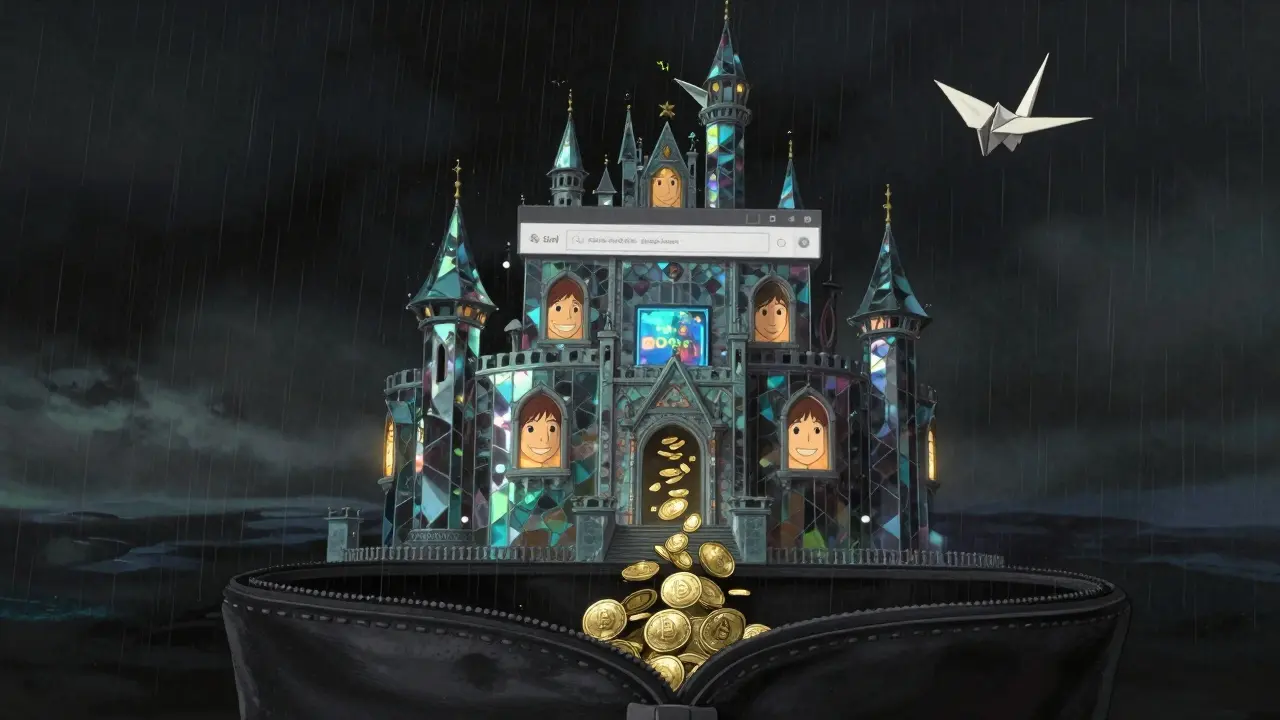
Security Standards Real Exchanges Follow (That BTRL Doesn’t)
Legit exchanges invest millions in security because they have something to lose: their reputation, their customers, and their licenses. Here’s what they do:
- Cold storage: 95%+ of user funds are stored offline in hardware wallets, disconnected from the internet.
- Multi-signature wallets: No single person can move funds. At least three authorized team members must approve withdrawals.
- Regular audits: Independent firms like CertiK or SlowMist audit their code and infrastructure every quarter.
- Insurance: Many carry insurance policies covering theft-like Coinbase’s $255 million policy.
- Compliance: They follow FATF’s Travel Rule, collect KYC data, and report suspicious activity to authorities.
BTRL does none of this. No cold storage. No audits. No compliance. No insurance. That’s not negligence-it’s a signal. If they won’t spend money on security, they’re not here to serve you. They’re here to take your money.
What to Do Instead
If you want to trade crypto safely, use platforms with a proven track record:
- For beginners: Coinbase or Kraken. Simple UI, regulated, insured.
- For advanced traders: Binance (outside the U.S.) or Bybit. Lower fees, more coins, advanced tools.
- For privacy-focused users: Bisq or Hodl Hodl. Peer-to-peer, no KYC.
All of these have been around for years. All have public team members. All have been audited. All have active customer support. All have real user reviews you can verify.
Don’t risk your life savings on a name you can’t Google. Don’t fall for the “too good to be true” promise of a platform that doesn’t exist. Crypto is risky enough without adding fake exchanges to the mix.
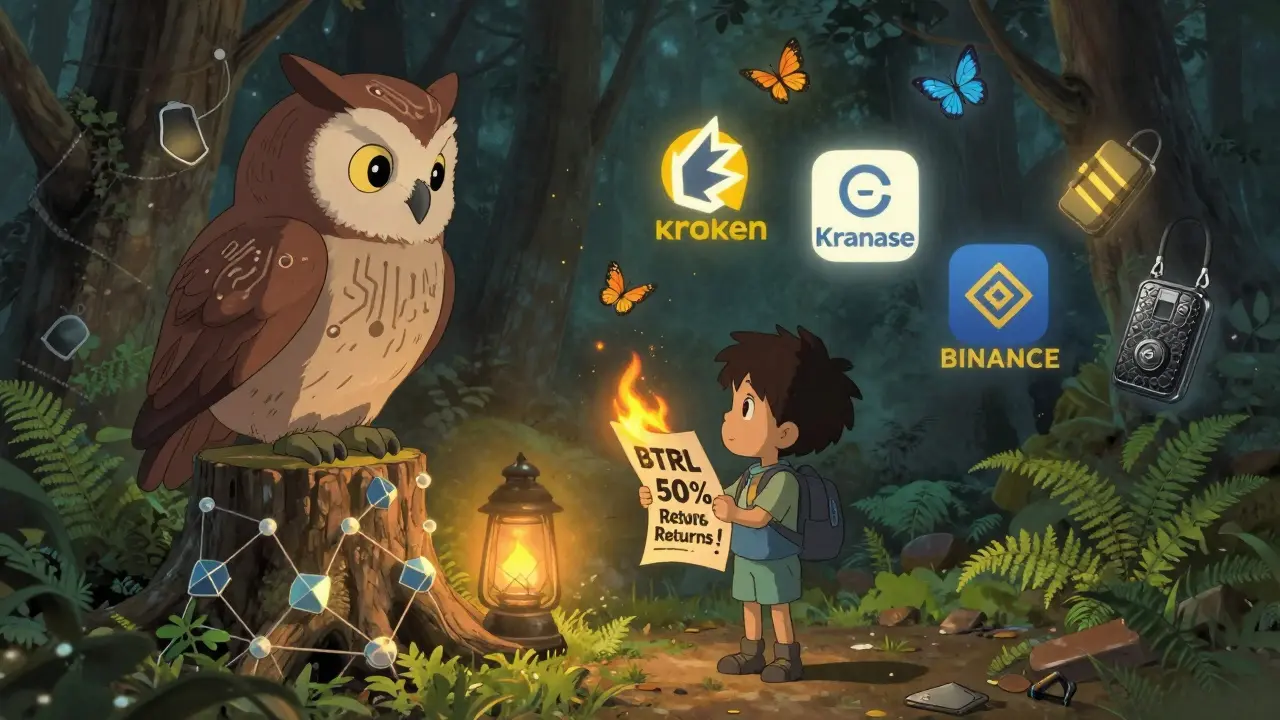
Red Flags That Mean BTRL Is a Scam
Here’s a quick checklist. If you see even one of these, walk away:
- No website domain registration info (check whois.com)
- No physical address listed
- No contact email or live chat
- Only accepts crypto deposits, no fiat
- Promises guaranteed returns
- Pressures you to deposit quickly
- Website looks like a template from ThemeForest
- No social media presence beyond a single Instagram or Telegram
- Zero mentions on CoinMarketCap, CoinGecko, or CryptoCompare
If BTRL shows up on your feed, it’s because someone paid for ads. Not because it’s trustworthy. Scammers spend $10 on Facebook ads to steal $10,000 from you. The math always works for them.
What to Do If You’ve Already Deposited
If you’ve sent crypto to BTRL:
- Stop. Don’t send more.
- Take screenshots of the site, your deposit transaction ID, and any communication.
- Report it to your local financial crime unit. In the UK, contact Action Fraud.
- Report it to Chainalysis or Elliptic-they track scam wallets.
- Warn others. Post on Reddit (r/CryptoCurrency), Twitter, and crypto forums.
You won’t get your money back. But you might stop someone else from losing theirs.
Is BTRL crypto exchange real?
No, BTRL crypto exchange is not real. There is no verifiable information about its existence. No regulatory registration, no team, no official website, and no user reviews on trusted platforms. All signs point to it being a scam designed to steal cryptocurrency.
Why can’t I find BTRL on CoinMarketCap or CoinGecko?
Legitimate crypto exchanges are listed on CoinMarketCap and CoinGecko after passing strict verification checks. BTRL doesn’t appear because it doesn’t exist. If a platform isn’t on these sites, it’s either too new (unlikely) or a scam. Always check these sources before depositing funds.
Can I recover my funds if I sent crypto to BTRL?
Recovering funds sent to a fake exchange like BTRL is nearly impossible. Blockchain transactions are irreversible. Once your crypto leaves your wallet and enters the scammer’s address, there’s no way to undo it. Your best action is to report the incident to authorities and warn others to prevent further victims.
How do scammers make fake exchanges look real?
Scammers use stolen logos, fake testimonials, AI-generated team photos, and cloned UIs from real exchanges. They create professional-looking websites in hours using templates. They run ads targeting people searching for “best crypto exchange.” They even fake trading volume and prices. But behind the scenes, there’s no infrastructure-just a wallet controlled by criminals.
What should I look for in a trustworthy crypto exchange?
Look for: clear regulatory status (e.g., FCA, FinCEN), published team members with LinkedIn profiles, public audit reports, cold storage usage, two-factor authentication, and real user reviews on independent sites like Trustpilot. Avoid platforms that pressure you to deposit quickly, offer unrealistic returns, or don’t answer basic questions.
If you’re new to crypto, start with well-known, regulated platforms. Don’t chase hype. Don’t trust ads. Don’t gamble on names you can’t verify. Your crypto is your responsibility-and the safest exchange is the one you can prove exists.









Write a comment
Your email address will be restricted to us