
Why the Ban Can't Stop the Transaction
You might have heard that your government forbids cryptocurrency. Maybe your bank blocked a deposit recently, or perhaps you simply saw a news headline declaring digital assets illegal. In many regions, the narrative is black and white: either you play by the rules or you step aside. But the reality on the ground is often much grayer. While central banks issue warnings and exchanges delist users, a massive shadow infrastructure has grown beneath the radar. This isn't just about buying Bitcoin; it's about survival for millions facing hyperinflation and freezing capital controls.
In markets where traditional finance feels broken, Peer-to-Peer (P2P) Crypto Platformsare marketplaces where individuals buy and sell digital assets directly, often bypassing traditional banking channels entirely.Direct Crypto Trading. Instead of handing your money to a company, you find a counterparty, agree on a rate, and trade. The rise of this sector has outpaced regulation. Even with strict laws, people need a way to preserve value. If the local currency is losing purchasing power daily, holding cash becomes a losing strategy. This creates a constant tug-of-war between enforcement agencies and those seeking financial sovereignty.
The Mechanics of Invisible Money Markets
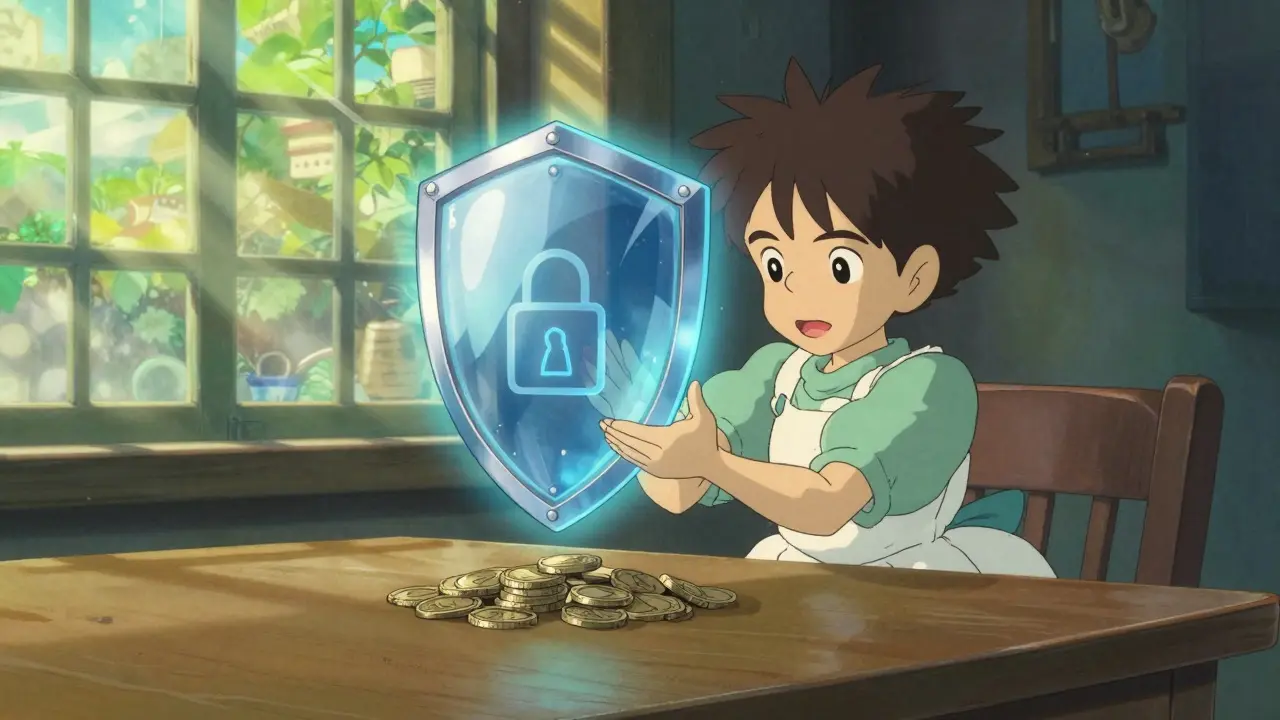
To understand how this survives restrictions, you need to look under the hood of the technology. Unlike centralized exchanges where funds sit in a corporate wallet, P2P relies on Escrow Servicesa secure holding mechanism that releases funds only when all transaction conditions are verified.Digital Escrow. When you initiate a trade, the seller's crypto locks into this system. You can't access it until the buyer confirms payment. This mitigates the risk of theft during the exchange.
However, operating in banned zones requires more than just standard verification. Most platforms now employ multi-signature protocols requiring at least two of three signatures to release funds, adding a layer of security against internal fraud. For the user, the experience looks similar to standard e-commerce. You browse offers, filter by payment method-mobile money, bank transfer, cash deposits-and select a trader. The difference lies in the backend compliance.
While some jurisdictions enforce strict bans, the underlying blockchain remains permissionless. The challenge shifts from "can I use the chain" to "how do I get my cash into the ecosystem." This is why P2P has evolved to support obscure payment rails that regulators struggle to monitor. In Nigeria, for example, mobile money integration became critical after banking institutions were barred from processing crypto transactions in 2017. Today, users still rely heavily on these alternative rails because traditional banking routes remain clogged.
Comparing Your Options in High-Risk Zones
Choosing the right platform is not just about fees; it's about jurisdiction exposure and liquidity depth. Some platforms prioritize regulatory safety over accessibility, while others lean into anonymity. Here is how the major players stack up when you are dealing with restrictions.
| Platform | KYC Requirements | Liquidity Source | Risk Profile |
|---|---|---|---|
| Binance P2P | Mandatory ID Verification | Global User Base | Medium (High Regulation) |
| Paxful | Varying (Risk-Based) | North America & Africa | High (Aggressive Compliance) |
| Bisq | None (Decentralized) | Crowdsourced Liquidity | Low (User Responsibility) |
Binance P2PA peer-to-peer trading service integrated within a larger exchange ecosystem. Despite regulatory pushback in certain regions, its sheer volume keeps it operational for many users. It aggregates thousands of buyers and sellers, ensuring you almost always find someone willing to take your currency. The downside is that they enforce robust Know Your Customer (KYC) checks. In some restricted nations, linking your real identity to a crypto account raises legal flags.
PaxfulOne of the oldest dedicated P2P cryptocurrency marketplace platforms. has historically served users in sanctioned regions better than most. They allow various unconventional payment methods, including gift cards and cash deposits. However, their compliance team actively monitors high-risk jurisdictions. If you trigger their fraud algorithms, your funds may freeze while they conduct due diligence. Their trust score system helps identify reliable partners, but it relies heavily on community reputation which can sometimes be gamed.
BisqAn open-source, decentralized protocol allowing private Bitcoin trading without a central server. takes a different approach. There is no customer support ticket, no phone number, and no ID upload. Because it runs on a mesh network, it is incredibly hard to shut down. For users in countries with total bans, this anonymity is the primary selling point. The trade-off is limited liquidity; if there is no one online to match your order size, you wait. It is also technically more complex to set up compared to a simple mobile app.
Navigating the Legal Minefield
It sounds tempting to trade in secret, but the law doesn't care about your intent. We need to talk about the Financial Action Task Force (FATF)An inter-governmental policy-making body that develops policies to promote the effective implementation of legal, regulatory and operational measures for combating money laundering. The "Travel Rule" mandates that transfers above $1,000 include sender and receiver identification. While P2P platforms try to comply, enforcement varies wildly. In China, for instance, authorities have cracked down hard on any interface facilitating crypto payments, treating it akin to running a casino.
In places like Algeria, Egypt, and Bangladesh, the laws are even less forgiving. Using crypto for settlement can result in confiscation or prison time depending on the severity. The Central African Republic famously declared Bitcoin legal tender in 2022 before retracting the decision a year later due to IMF pressure. This flip-flopping means regulations change overnight. You could be trading legally on Monday and committing a crime by Friday.
Your biggest risk isn't usually the platform itself, but the fiat on-ramp and off-ramp. Many Nigerian users reported bank freezes when local institutions flagged unusual incoming transfers. Banks detect patterns that don't match typical retail behavior, like repeated small deposits followed by withdrawals. To mitigate this, diversify your banking relationships. Using a single bank account for high-frequency crypto activity makes you an easy target for automated monitoring systems used by financial institutions.

Safety First: Avoiding the Scammers
Fraud rates in P2P environments are higher than in regulated markets. Data from 2023 suggests nearly 40% of fraud attempts originated from regions with heavy restrictions. You are often dealing with individuals who have nothing to lose if the platform closes down. Here is how to keep your hands around your assets.
- Check the Trader Score: Never trade with a user who has fewer than five successful completed deals. Look for reviews mentioning prompt payment and good communication.
- Verify Payment Methods: If a deal seems too good to be true, it is. Extremely favorable exchange rates usually signal a trap designed to steal your funds via chargebacks.
- Communicate On-Platform: Move the conversation away from the official chat system at your peril. Support teams cannot help you if you moved negotiations to WhatsApp or Telegram. Keep proof of every word exchanged.
- Watch the Time Zone: Sudden requests to rush a transaction are red flags. Legitimate traders operate within reasonable expectations. If a seller demands instant release after payment without confirmation, pause the process immediately.
Understanding the Average Transaction RiskStatistical probability of loss per trade in P2P ecosystems. is crucial. In unregulated corridors, you might face a 1-2% chance of total loss per transaction due to technical errors or fraud. Over 100 trades, that adds up. Always keep a portion of your funds in a hardware wallet, separate from the hot wallets connected to P2P accounts. Diversification reduces the impact of a single compromised account.
The Future of Restricted Market Access
Despite the friction, the trend line is moving upward. Global P2P volume hit record highs even as governments tightened screws. Why? Because economic fundamentals don't wait for legislation. In nations experiencing triple-digit inflation, citizens prioritize preserving wealth over complying with outdated statutes. As stablecoins mature, they offer lower volatility bridges for those crossing borders. However, regulators are adapting. We are seeing more AI-driven surveillance tools deployed to spot obfuscation techniques like mixing services.
This technological arms race defines our current era. The World Bank recognizes the utility of remittance corridors, yet local central banks fear capital flight. Until a middle ground emerges, P2P platforms will remain the lifeblood for digital finance in restrictive zones. You must adapt constantly. What worked six months ago might trigger a flag today. Stay informed, stay vigilant, and prioritize security above profit margins.
Is using P2P crypto trading illegal in my country?
Legality varies significantly by location. While holding Bitcoin might be permitted, converting it through unofficial channels often violates capital control laws. Always review your local central bank's stance on digital assets before engaging in any transaction.
Can banks detect P2P transactions?
Yes, banks monitor deposit patterns. Frequent irregular transfers from personal accounts rather than businesses can trigger alerts. Using multiple bank accounts or distinct payment rails like mobile wallets can sometimes reduce suspicion, but there is no guaranteed anonymity.
Which P2P platform is safest for restricted countries?
Safest depends on your risk tolerance. Regulated platforms like Binance P2P offer dispute resolution but strict ID checks. Decentralized options like Bisq offer privacy but no customer support. Diversifying across multiple platforms is generally recommended.
Do I need to pay taxes on P2P profits?
Most jurisdictions consider crypto gains taxable income regardless of the trading method. Hiding P2P activity does not exempt you from tax obligations. Consult a local tax professional familiar with digital assets in your region.
What happens if a P2P platform gets banned?
If a platform ceases operations, you retain the cryptocurrency in your own wallet, not on the exchange. The main risk is being unable to withdraw fiat currency. Having a non-custodial backup plan ensures you aren't locked out of your assets.







Write a comment
Your email address will be restricted to us