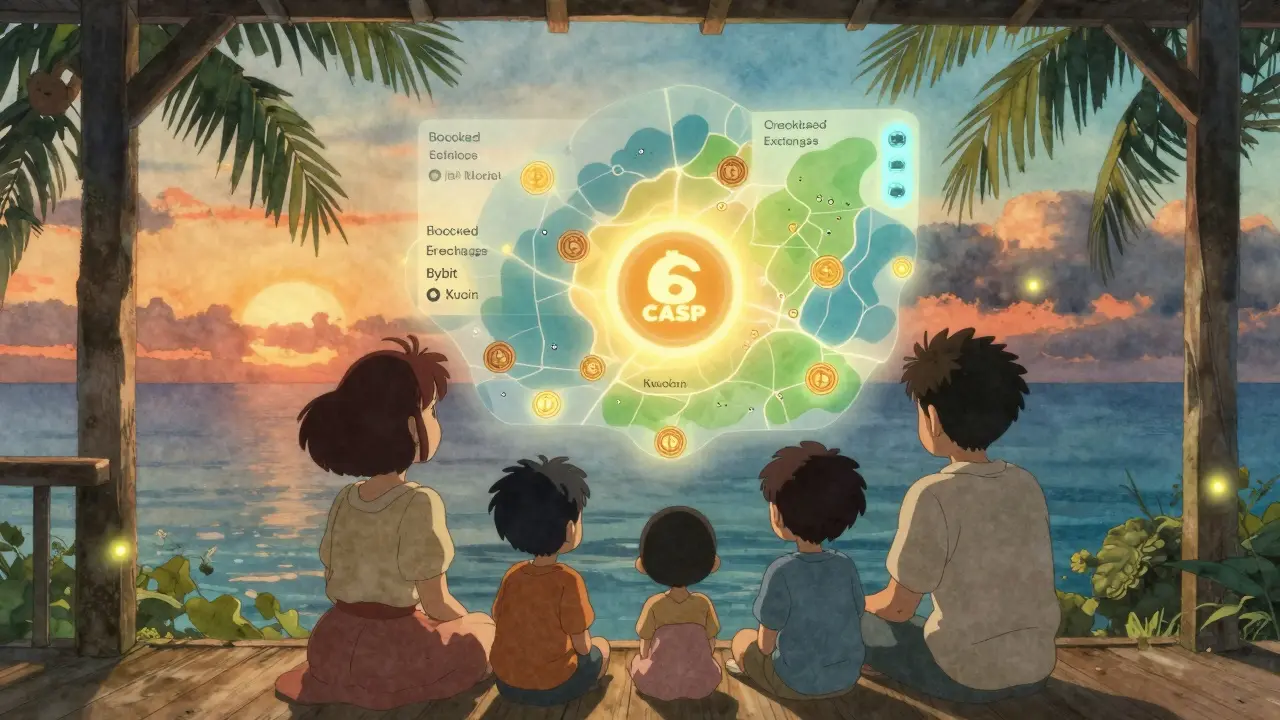
The SEC Philippines isn’t banning cryptocurrency. But if you’re using an unregistered exchange like Bybit, KuCoin, or OKX to trade crypto in the Philippines, you’re already operating outside the law - and the SEC is moving fast to shut them down.
Why the SEC Is Cracking Down
In May 2025, the Securities and Exchange Commission of the Philippines rolled out its first-ever full regulatory framework for crypto businesses. Called the Crypto Asset Service Provider (CASP) rules, these regulations were born from real pain: the 2022 collapse of Celsius and FTX left thousands of Filipinos with lost savings. By 2024, the Philippine National Police reported over 1,200 crypto-related fraud cases - many tied to offshore platforms with no accountability. The SEC didn’t want to stop crypto. They wanted to protect ordinary people. Most Filipinos using crypto aren’t day traders. They’re sending remittances home - averaging $287 per transaction - or saving small amounts in digital assets because traditional banks don’t serve them well. These users aren’t crypto experts. They trust apps that look legit. And too many of those apps were hiding behind offshore servers, with no legal responsibility if things went wrong. The Binance case in 2024 proved the SEC could act. After a year of warnings, the SEC ordered Binance to stop operating in the Philippines. They worked with internet providers to block access. App stores removed the app. Within 90 days, Binance fully exited. And guess what? Crypto fraud reports dropped by 67% in the next six months.What the CASP Rules Actually Require
If you want to offer crypto services to Filipinos legally, you must become a registered CASP. It’s not a simple form. Here’s what it takes:- Be a Philippine-incorporated company - no offshore shells allowed.
- Have at least ₱100 million (about $1.8 million USD) in paid-up capital.
- Have a physical office in the Philippines.
- Keep customer funds completely separate from company money - no mixing.
- Store 95% of customer crypto in cold wallets.
- Use blockchain analytics tools to flag transactions over ₱50,000 ($900 USD).
- Offer 24/7 customer support and process withdrawals within 72 hours.
- Pass ISO 27001 cybersecurity audits.
- Submit monthly financial reports to the SEC’s PhiliFintech Innovation Office.
Who’s Being Targeted Now
On August 1, 2025, the SEC publicly named ten major global exchanges operating illegally in the Philippines:- OKX
- Bybit
- KuCoin
- Kraken
- LBank
- CoinW
- Bitget
- MEXC
- Huobi
- Gate.io

What Happens If You Don’t Comply
The penalties are serious - and they’re being enforced.- First violation: ₱50,000 to ₱10 million ($900-$180,000 USD) in fines.
- Each day of continued violation: ₱10,000 ($180 USD) added daily.
- Criminal charges: up to ₱2 million ($36,000 USD) in fines and five years in prison.
What This Means for You
If you’re a regular user:- Stop using unregistered exchanges. They’re being blocked. Your funds aren’t protected.
- Check if your platform is on the SEC’s official CASP registry. Only platforms listed there are legal.
- Withdraw your funds from banned platforms before they shut down completely. The SEC gave Binance users 90 days - don’t wait until the last minute.
- Start your CASP application now. Processing takes 45-120 days.
- You’ll need legal help. The paperwork is complex - business plans, risk matrices, cybersecurity audits.
- The SEC offers free webinars every Wednesday at 10 AM (PST) and a 24/7 hotline: +632-8981-7963.
The Bigger Picture
The Philippines is not alone. Indonesia and Malaysia introduced similar rules in early 2025. But the Philippines stands out: it’s the only country in Asia requiring full domestic incorporation. Singapore lets foreign firms register locally. Thailand allows representative offices. The Philippines says: if you want to serve Filipinos, you must be Filipino-owned and headquartered here. This is a bold move. It’s expensive for startups. Only about 12 of the 240 crypto platforms operating in the Philippines currently meet the requirements. That means fewer choices - but more safety. Some users are frustrated. Reddit threads are full of complaints about losing access to better interfaces and lower fees. But many others are relieved. One top comment on r/PhilippinesCrypto said: “I lost 150,000 PHP on Celsius in 2022. These rules might be strict, but they’ll save others from the same fate.” Social media sentiment shows 58% support for the crackdown. People are tired of scams. They want legitimacy.What’s Next?
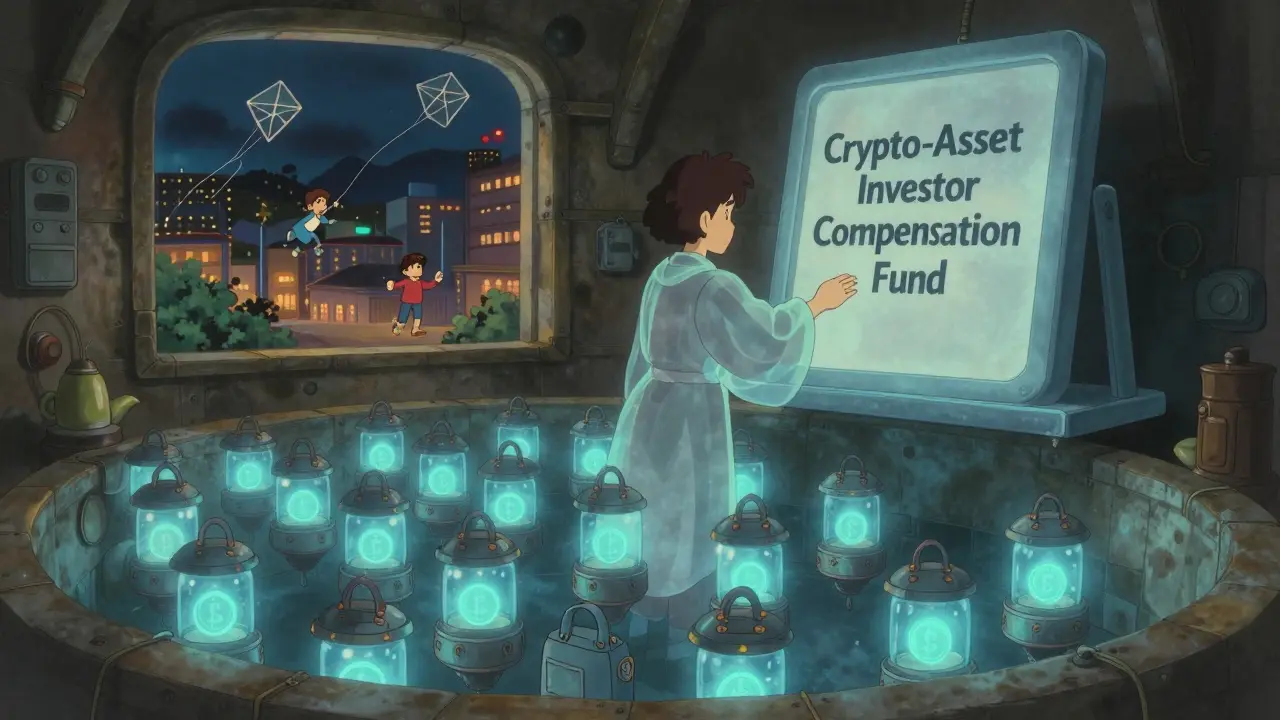
By Q1 2026, the SEC plans to launch the Crypto-Asset Investor Compensation Fund. It’ll be funded by CASP registration fees - 0.05% of gross revenue - and could grow to ₱250 million ($4.5 million USD) per year. If a registered CASP fails, users can claim compensation from this fund. The SEC also plans to regulate DeFi protocols by 2027. Right now, decentralized exchanges and yield farms are exempt. But that won’t last. Smart contracts aren’t immune to risk. Liquidity pools can be drained. The SEC is watching. The long-term vision? A stable, transparent crypto market where Filipinos can trade safely - not just gamble.Final Reality Check
This isn’t about stopping innovation. It’s about stopping fraud. The SEC isn’t trying to kill crypto. They’re trying to make it work for real people - not just speculators and offshore operators. If you’re using a platform that doesn’t show up on the SEC’s official CASP list, you’re taking a risk. No warning. No recourse. No protection. The clock is ticking. The blocks are coming. And this time, there won’t be a 90-day grace period.Are crypto exchanges banned in the Philippines?
No, crypto exchanges are not banned. But any exchange offering services to Filipinos must register as a Crypto Asset Service Provider (CASP) with the SEC. Unregistered platforms are being blocked and fined. Trading crypto itself is still legal - you just can’t use unlicensed apps to do it.
Is Binance still available in the Philippines?
No. Binance was fully removed from the Philippine market in September 2024 after failing to register as a CASP. Its website and app are blocked by internet providers. Users had a 90-day window to withdraw funds, and most completed their withdrawals before the deadline.
Which crypto exchanges are currently blocked by the SEC?
As of September 2025, the SEC has initiated enforcement against ten major unregistered exchanges: OKX, Bybit, KuCoin, Kraken, LBank, CoinW, Bitget, MEXC, Huobi, and Gate.io. Access to these platforms is being restricted by internet service providers, and their apps have been removed from app stores.
Can I still trade crypto in the Philippines?
Yes, you can still trade crypto - but only through SEC-registered CASPs. As of August 2025, only a handful of local platforms have completed registration. You can check the official SEC CASP registry online to see which platforms are approved. Using unregistered platforms puts your funds at risk and is against the law.
What happens if I don’t withdraw my crypto from a blocked exchange?
If you leave your crypto on a blocked exchange, you risk losing access permanently. The SEC does not guarantee access to funds on unregistered platforms. Once a platform is blocked and ceases operations, recovering your assets becomes extremely difficult - if not impossible. The SEC strongly advises users to withdraw funds before platforms are fully shut down.
Do the CASP rules apply to decentralized finance (DeFi) apps?
No, not yet. DeFi protocols like Uniswap or Aave are currently exempt from CASP registration because they are decentralized and have no central operator. However, the SEC has signaled plans to regulate DeFi by 2027, focusing on smart contract risks and liquidity pool vulnerabilities. For now, using DeFi apps is legal, but you have no investor protection if something goes wrong.
How can I verify if a crypto platform is SEC-registered?
Go to the official SEC website at www.sec.gov.ph/casp and check the list of registered Crypto Asset Service Providers. Only platforms listed there are legally allowed to operate in the Philippines. If a platform claims to be registered but isn’t on the list, it’s a scam.
What are the penalties for operating an unregistered crypto exchange in the Philippines?
Penalties include fines of ₱50,000 to ₱10 million per violation, plus ₱10,000 per day for ongoing violations. Individuals running unregistered platforms can face criminal charges with up to ₱2 million in fines and five years in prison under the Securities Regulation Code. The SEC has already arrested local agents helping unregistered platforms operate.
Is the SEC targeting small crypto businesses?
The CASP rules are challenging for small businesses because of the ₱100 million capital requirement and physical office mandate. Many local startups can’t meet these standards yet. The SEC acknowledges this and is working on a phased approach for smaller players, but no official exemptions exist as of 2026. The goal is to ensure safety, not eliminate competition - but the bar is high.
Will the SEC’s actions reduce crypto usage in the Philippines?
Initially, yes. Analysts estimate 30-40% of users may reduce activity due to fewer platform options. But long-term, the SEC expects the market to stabilize. Fraud will drop, investor trust will rise, and legitimate businesses will grow. The goal isn’t to shrink the market - it’s to make it sustainable.






Write a comment
Your email address will be restricted to us