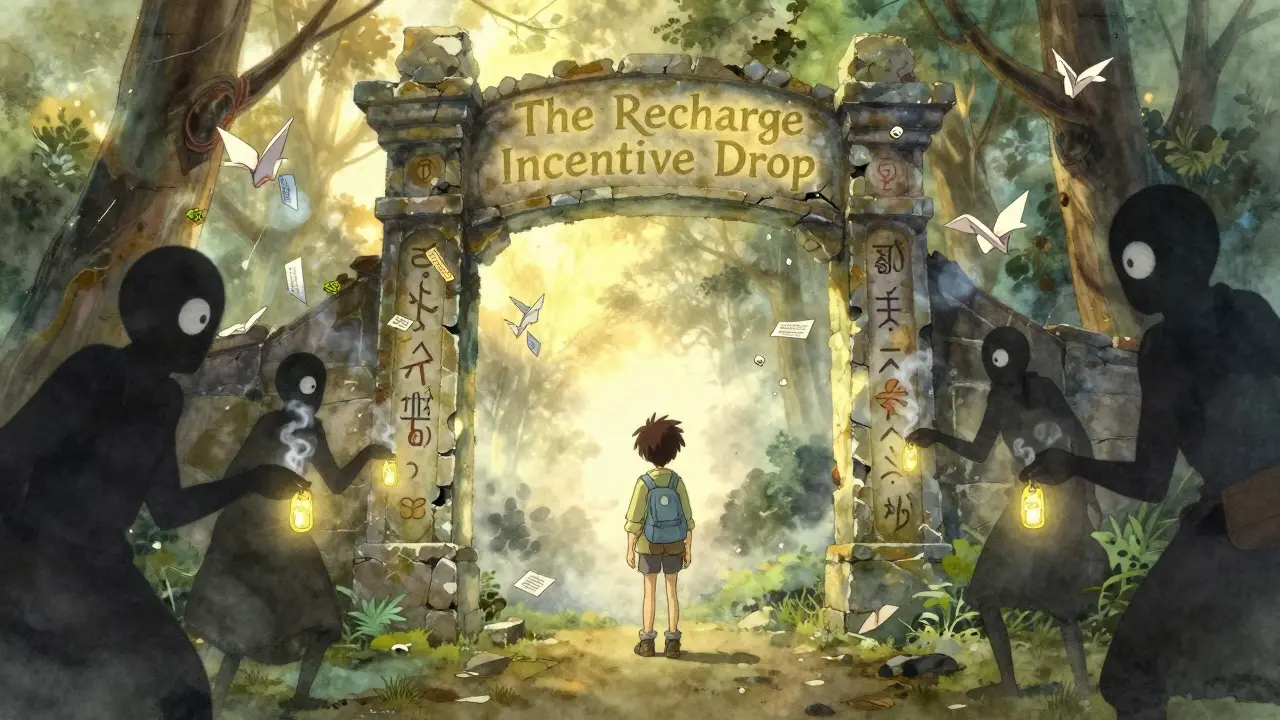
There’s no official record of a project called "The Recharge Incentive Drop" airdrop. No whitepaper, no website, no verified social media accounts - just rumors and vague posts on forums. If you’ve seen an ad promising free tokens for "recharging" your wallet or completing a simple task, you’re not alone. But here’s the truth: if details are missing, it’s not a legitimate airdrop - it’s a red flag.
Crypto airdrops aren’t magic. They’re strategic tools used by real blockchain projects to grow their user base. Legitimate airdrops don’t hide behind vague names. They announce themselves clearly: who’s behind it, what you need to do, when tokens arrive, and how to claim them. When none of that exists, you’re walking into a trap.
How Real Airdrops Work - And Why This One Doesn’t Add Up
Take Uniswap’s 2020 airdrop. They didn’t whisper about it. They published exact rules: if you swapped tokens on their platform before September 1, 2020, you got 400 UNI tokens. Over 350,000 wallets qualified. The total value? More than $100 million distributed. No mystery. No guesswork.
Or ENS - the Ethereum Name Service. They gave away .ETH domains to early users who had registered names before a specific block. The airdrop didn’t ask for your private key. It didn’t ask you to send ETH to "unlock" tokens. It just looked at on-chain data and sent tokens automatically.
Now compare that to "The Recharge Incentive Drop." No launch date. No project team. No blockchain address to verify. No history. No GitHub repo. No community. That’s not an airdrop. That’s a bait.
Common Airdrop Scams You Need to Watch For
Scammers know people want free crypto. So they build fake airdrops that look real. Here’s how they do it:
- "Send ETH to claim your tokens" - Real airdrops don’t ask you to send anything. If they do, it’s a scam. Always.
- "Connect your wallet to get rewarded" - Some fake sites ask you to connect your MetaMask, then drain your funds using malicious smart contracts. No real project will ever ask you to approve unlimited spending.
- "Exclusive invite-only drop" - Legit airdrops are public. If it’s "only for 50 people," it’s likely a pump-and-dump.
- "Recharge your wallet with $5 to unlock $500" - This is the oldest trick in the book. You send money. They vanish.
These scams work because they mimic real ones. They use similar language: "limited time," "early access," "exclusive rewards." But real projects don’t need to pressure you. They build trust over time.
How to Spot a Legitimate Airdrop
If you’re unsure whether an airdrop is real, ask yourself these questions:
- Is there a public website with a clear team, roadmap, and contact info?
- Does the project have a GitHub repo with code commits?
- Are there verified social media accounts (blue check, active for months)?
- Is the airdrop tied to a known blockchain (Ethereum, Solana, Arbitrum)?
- Do they explain exactly how tokens will be distributed - and when?
- Is there a community on Discord or Telegram with hundreds of active members?
If even one of these is missing, walk away.
Real airdrops like Arbitrum’s 2022 drop or zkSync’s 2023 distribution had all of this. They had documentation, code audits, and public timelines. They didn’t need to trick you - they had real users.
What to Do If You’ve Already Engaged
If you’ve connected your wallet, sent funds, or entered your private key - act fast.
- Disconnect all approvals: Go to revoke.cash and revoke access to any suspicious contracts.
- Move your funds: Transfer all assets to a new wallet. Never reuse the compromised one.
- Report it: Share the scam on Reddit (r/CryptoCurrency), Twitter, and Discord communities. Warn others.
Once your private key is exposed, there’s no undo button. The sooner you act, the less you lose.
Where to Find Real Airdrops in 2026
Legit airdrops still happen - but not from random ads. Here’s where to look:
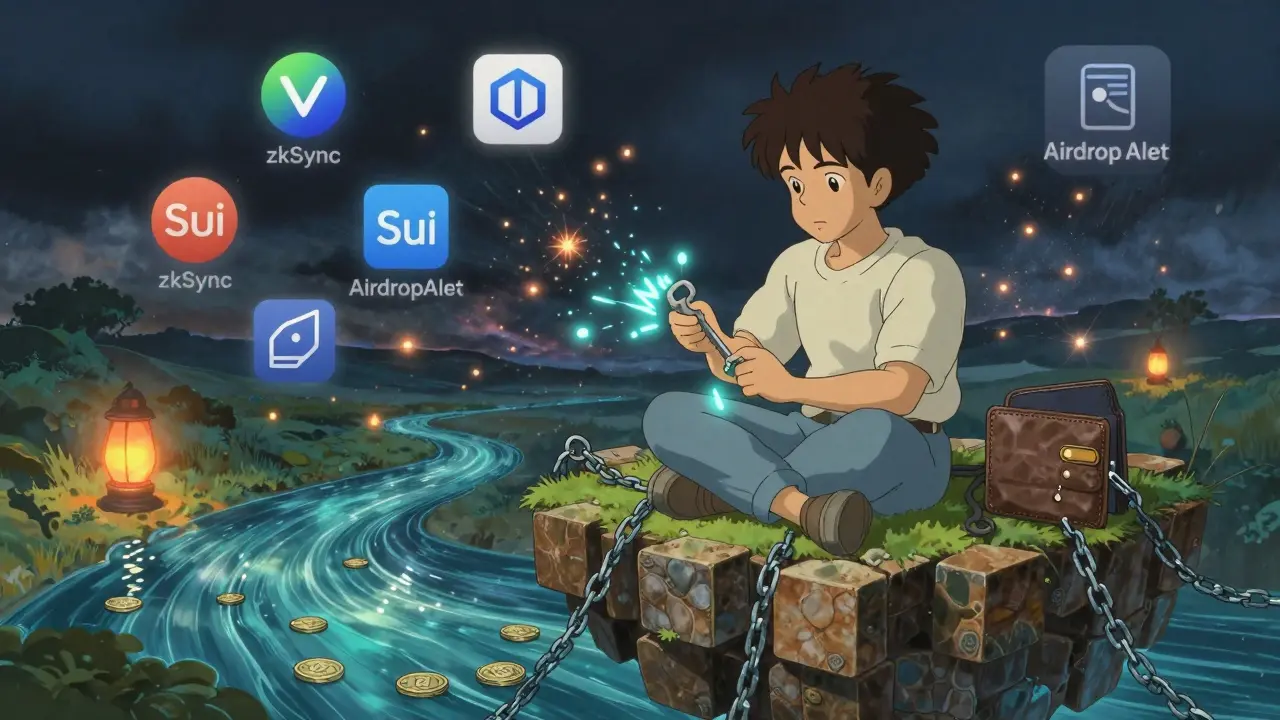
- Layer 2 networks - Arbitrum, Optimism, zkSync, and Base regularly reward early users who bridge assets or use dApps.
- Testnet participation - Projects like Sui, Aptos, and Scroll reward users who test their networks before mainnet launch.
- DeFi protocols - Platforms like Uniswap, Curve, and Aave have given out tokens to users who provided liquidity or voted on governance.
- Verified airdrop trackers - Sites like AirdropAlert and CoinMarketCap Airdrops list only verified opportunities.
These projects don’t need to lie. They have real users. They don’t need to pressure you. They’re building something long-term.
Bottom Line: No Details = No Trust
"The Recharge Incentive Drop" doesn’t exist. Not because it’s new. Not because it’s hidden. But because it’s fake. Real crypto projects don’t hide. They publish. They document. They invite scrutiny.
If you’re looking for free tokens, focus on projects with transparency, not secrecy. Spend 30 minutes researching a real airdrop instead of 5 minutes clicking a shady link. The difference isn’t just money - it’s your security.
Free crypto isn’t about quick wins. It’s about building something real. And real things don’t come with unknown details.
Is "The Recharge Incentive Drop" a real airdrop?
No, there is no verified record of this airdrop. No official website, team, blockchain address, or community exists. All signs point to it being a scam. Legitimate airdrops are transparent - this one isn’t.
Can I get free tokens from this airdrop?
No. If you’re asked to send crypto, connect your wallet, or pay a fee to claim tokens, you’re being scammed. Real airdrops give tokens for free - no payment required. Any request for money is a red flag.
What should I do if I already sent funds?
Immediately disconnect your wallet from the suspicious site using revoke.cash. Move all remaining funds to a new wallet. Never reuse the compromised one. Report the scam on crypto forums to warn others. Recovery is unlikely, but acting fast can prevent further loss.
How do real airdrops differ from scams?
Real airdrops require no payment, never ask for private keys, and publish clear rules. They use official websites, verified social media, and on-chain records. Scams pressure you with urgency, ask for money, and vanish after you act. Always check for public documentation before participating.
Are there any airdrops worth participating in right now?
Yes - but only from verified sources. Look at Layer 2 networks like Arbitrum and zkSync, which regularly reward users who interact with their dApps. Testnets for Sui, Aptos, and Scroll also offer legitimate opportunities. Use trusted platforms like AirdropAlert or CoinMarketCap to find current, verified drops. Avoid anything with vague details.








Write a comment
Your email address will be restricted to us