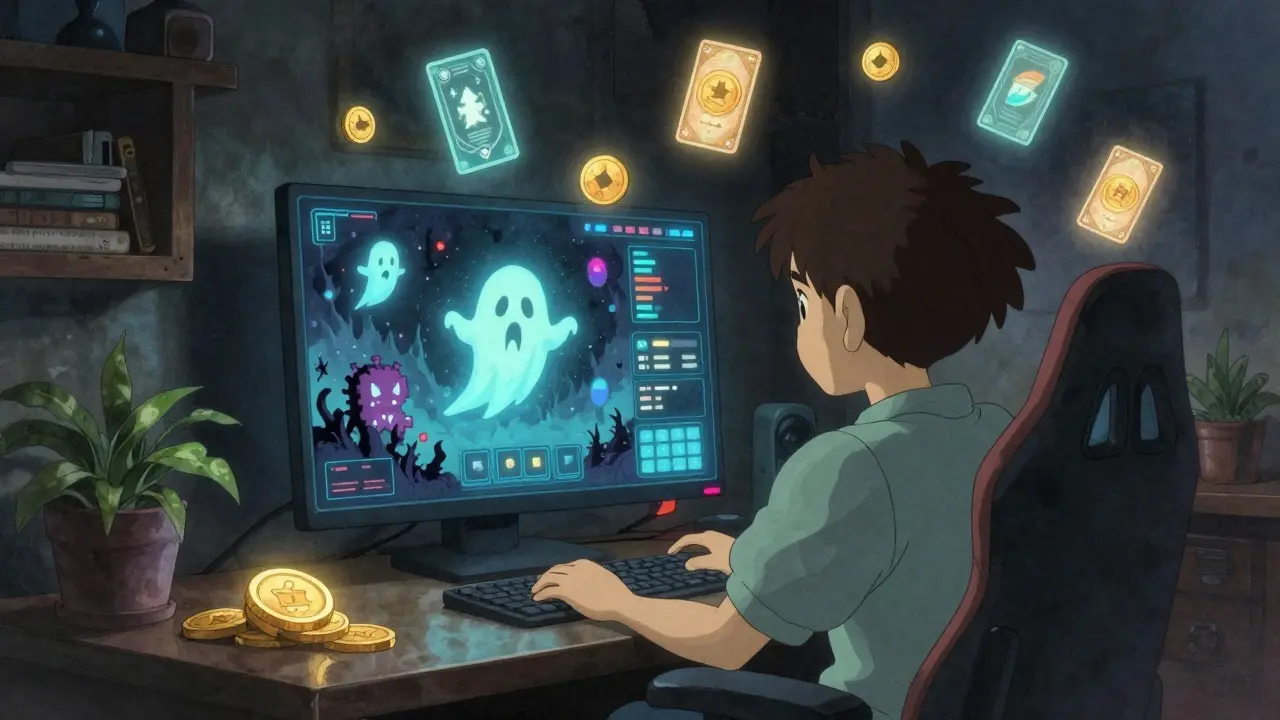
Imagine playing a terrifying survival horror game where the monsters aren't just code on a screen-they are digital assets you own. That is the core promise of FEAR, a cryptocurrency and gaming ecosystem built around the horror-themed blockchain gaming platform known as Fear.io. If you have stumbled upon this ticker in your portfolio or on a decentralized exchange, you are likely wondering if it is a legitimate project or just another speculative gamble. The short answer is that FEAR is a niche utility token designed to power a specific universe of scary games, non-fungible tokens (NFTs), and community governance.
Unlike broad-purpose cryptocurrencies like Bitcoin or Ethereum, FEAR does not aim to replace money or power the entire internet. Instead, it functions as fuel for a specialized engine: a collection of browser-based and mobile horror titles. For gamers who enjoy the adrenaline rush of jump scares and puzzle-solving, combined with the financial incentives of Web3, FEAR offers a unique entry point. However, because it is a low-market-cap asset tied to a specific genre, understanding its mechanics, risks, and actual utility is crucial before you commit any capital or time.
The Core Concept: Horror Meets Blockchain
At its heart, Fear.io is a blockchain-based entertainment ecosystem focused on high-quality horror games. The project attempts to bridge the gap between traditional gaming experiences and the ownership models provided by distributed ledger technology. In standard video games, when you buy a weapon or unlock a character skin, that item lives on the developer's server. If the server shuts down, you lose everything. In the FEAR ecosystem, these items are often minted as NFTs, meaning they exist on the blockchain and belong to you, regardless of what happens to the central game servers.
The FEAR token itself serves three primary functions within this world:
- In-Game Currency: Players use FEAR to purchase access passes, special items, or upgrades within the various horror titles. It acts as the medium of exchange for virtual goods.
- Reward Mechanism: Through play-to-earn (P2E) mechanics, players can earn FEAR tokens by completing challenges, achieving high scores, or participating in limited-time events. This creates a circular economy where gameplay generates value.
- Governance Rights: Holders may eventually vote on future game features, story directions, or how treasury funds are allocated, giving the community a say in the evolution of the franchise.
This structure is typical of modern GameFi projects, but the horror theme provides a distinct identity. While many blockchain games focus on fantasy RPGs or strategy simulations, FEAR targets a passionate subculture that values atmosphere, narrative, and tension. This specialization can be a double-edged sword: it builds a loyal, dedicated fanbase, but it also limits the total addressable market compared to broader gaming platforms.
Technical Architecture and Multichain Strategy
To understand how FEAR operates under the hood, we need to look at its technical foundation. Like most modern gaming tokens, FEAR is not confined to a single blockchain. It typically exists as a multichain asset to balance security with usability. Originally launched on major networks like Ethereum is the leading smart contract platform known for high security but higher transaction fees, the token has expanded to lower-cost alternatives.
| Network | Token Standard | Primary Use Case in Ecosystem | Transaction Cost |
|---|---|---|---|
| Ethereum | ERC-20 | Liquidity pools, large transfers, DeFi integration | High ($5 - $50+ depending on congestion) |
| BNB Chain | BEP-20 | Trading pairs on centralized exchanges, faster settlements | Low (~$0.10 - $0.50) |
| Polygon | Polygon PoS | In-game microtransactions, NFT minting, daily gameplay | Very Low (<$0.01) |
This multichain approach is critical for a gaming token. Imagine trying to buy a cheap potion in a game using Ethereum mainnet during peak hours; the gas fee might cost more than the item itself. By bridging to Polygon or BNB Chain, the FEAR ecosystem ensures that frequent, small-scale interactions remain economically viable. The underlying smart contracts manage the token supply, staking rewards, and NFT logic, while the actual game logic often runs on centralized servers to ensure smooth performance and anti-cheat measures. This hybrid model-off-chain gameplay with on-chain economy-is the industry standard for delivering a lag-free user experience.
The Gaming Experience and NFT Utility
So, what do you actually play? The FEAR universe consists of multiple titles, ranging from browser-based escape rooms to more complex survival adventures. These games are designed to be accessible, requiring no heavy downloads for initial engagement, though PC and mobile ports often offer enhanced graphics and features.
Non-Fungible Tokens (NFTs) play a starring role here. In the FEAR ecosystem, NFTs represent tangible assets within the game world:
- Characters and Avatars: Unique entities with varying stats or cosmetic traits.
- Weapons and Tools: Items that provide gameplay advantages or rare visual effects.
- Land and Environments: Virtual spaces that may generate passive income or host exclusive events.
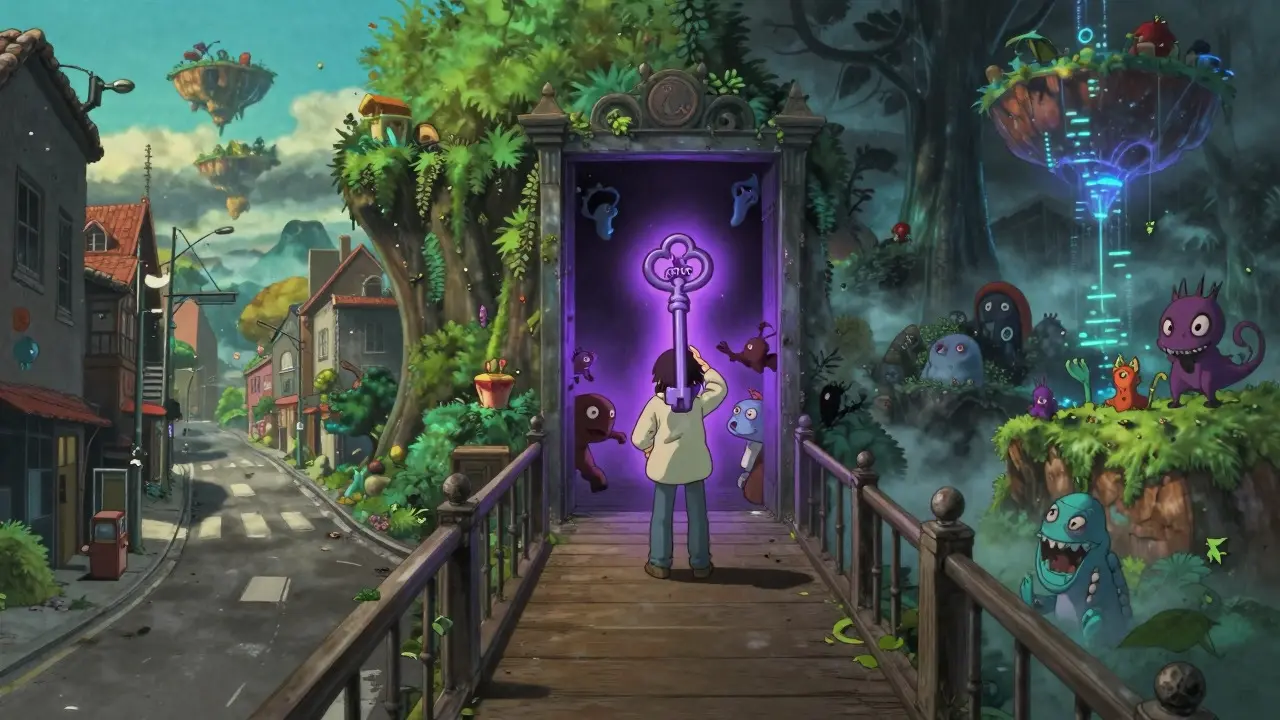
For example, owning a rare "Haunted Key" NFT might grant you access to a hidden level in a new release, allowing you to earn FEAR tokens faster than free-to-play users. This creates a tiered system where early adopters and collectors gain mechanical advantages, incentivizing long-term holding. However, the value of these NFTs is intrinsically linked to the popularity of the games. If player numbers drop, the demand for these items-and their secondary market prices-can plummet rapidly.
Risks and Challenges of Micro-Cap Gaming Tokens
While the concept is exciting, investing in or playing with FEAR comes with significant risks that differ from mainstream cryptocurrencies. As a micro-cap asset, FEAR lacks the deep liquidity and institutional backing of larger coins. This means price volatility can be extreme. A small sell-off can crash the price by double digits, while a viral tweet can spike it just as quickly.
Furthermore, the project faces the classic "chicken and egg" problem of GameFi. To attract serious gamers, the games must be fun and polished. To attract investors, the token needs value and utility. Often, early-stage projects struggle to deliver AAA-quality graphics and storytelling while simultaneously managing complex tokenomics. Critics often point out that many P2E games prioritize financial loops over actual entertainment, leading to quick burnout once the novelty wears off.
Regulatory uncertainty also looms over the sector. As governments worldwide scrutinize tokens that offer potential returns based on the efforts of others, projects like FEAR must navigate a gray area. Is the token a utility pass, or is it an unregistered security? While the current focus is on gaming utility, future regulations could impact how staking rewards and NFT sales are structured.
How to Get Started with FEAR
If you decide to explore the FEAR ecosystem, the process follows standard Web3 onboarding protocols. First, you will need a compatible wallet such as MetaMask is a popular browser extension and mobile app for managing cryptocurrency wallets and interacting with dApps. Once set up, you will need to acquire some native currency (like ETH or MATIC) to pay for transaction fees on the respective chains.
- Connect Your Wallet: Visit the official Fear.io portal and link your wallet address. This allows the platform to recognize your identity and holdings.
- Acquire FEAR Tokens: You can buy FEAR on supported decentralized exchanges (DEXs) like Uniswap or PancakeSwap, or through centralized exchanges if listed. Ensure you are on the correct network to avoid sending tokens to the wrong chain.
- Start Playing: Launch one of the available horror games. Many offer free-to-play modes to help newcomers learn the mechanics without immediate financial risk.
- Mint or Trade NFTs: As you progress, you may earn or purchase NFTs. Manage these in your dashboard, where you can view their attributes and list them for sale on integrated marketplaces.
For those new to crypto, the learning curve involves understanding seed phrases, gas fees, and slippage tolerance. Take your time, start small, and verify all URLs to avoid phishing scams, which are rampant in the gaming crypto space.
Future Outlook and Community Role
The longevity of FEAR depends heavily on content updates and community engagement. The development team regularly releases roadmaps outlining new game titles, feature expansions, and partnership opportunities. Active participation in Discord and Telegram channels allows holders to influence decisions and stay informed about upcoming drops. In a niche market, community sentiment often drives momentum more than technical fundamentals alone.
As the broader GameFi sector matures, there is a shift from pure speculation toward sustainable ecosystems. Projects that can retain players through genuine entertainment value rather than just yield farming are more likely to survive bear markets. FEAR’s focus on a strong thematic identity positions it well if it can consistently deliver high-quality horror experiences. However, investors should always conduct their own due diligence, monitoring on-chain activity and development commits rather than relying solely on marketing hype.
Is FEAR coin a good investment?
FEAR is considered a high-risk, high-reward micro-cap asset. Its value is tightly coupled with the success of its horror gaming titles and the broader adoption of play-to-earn mechanics. Unlike established cryptocurrencies, it lacks deep liquidity and regulatory clarity. Investors should only allocate funds they can afford to lose and closely monitor the project's development progress and community activity.
Which blockchain is FEAR token on?
FEAR is a multichain token. It was originally issued on Ethereum (ERC-20) but has been bridged to other networks like BNB Chain (BEP-20) and Polygon to reduce transaction costs for gaming activities. Always check the specific contract address for the network you intend to use to avoid errors.
Can you make money playing FEAR games?
Yes, the ecosystem uses a play-to-earn model where players can earn FEAR tokens and NFTs through gameplay achievements, leaderboards, and events. However, earnings depend on skill, time invested, and the current market price of the token. Early entrants often have an advantage, and profits can be offset by gas fees and token volatility.
What are FEAR NFTs used for?
FEAR NFTs represent in-game assets such as characters, weapons, skins, and land. They provide gameplay benefits, such as access to exclusive levels or enhanced earning rates. Additionally, they can be traded on secondary markets, allowing owners to profit if demand for specific items increases.
Is Fear.io safe to use?
Like any Web3 platform, safety depends on user vigilance. The official Fear.io site should be accessed via verified links to avoid phishing. Users should secure their wallets with strong passwords and hardware authentication where possible. While the smart contracts undergo audits, the inherent risks of smart contract vulnerabilities and private key management remain.





Write a comment
Your email address will be restricted to us