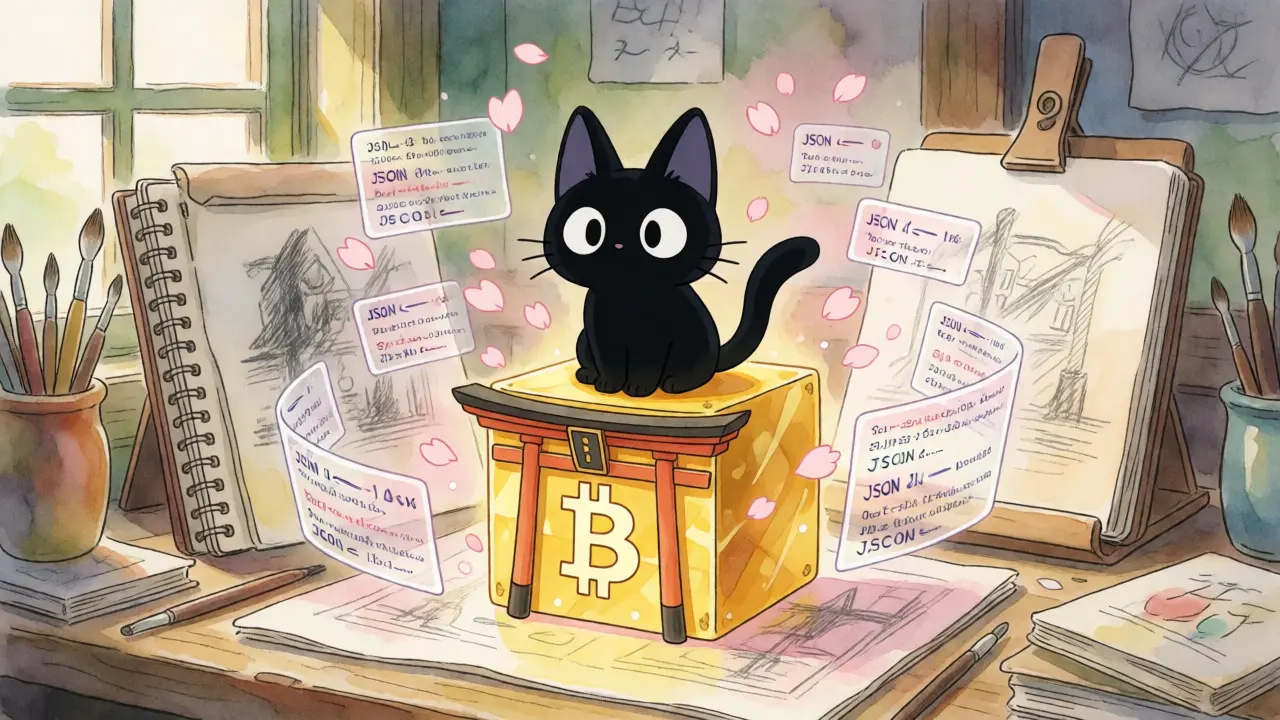
Imagine a cryptocurrency that isn't just code on a screen, but a digital piece of art inscribed directly onto the Bitcoin blockchain. That's MMSS, a BRC-20 token built on the Bitcoin Ordinals protocol. If you've been watching the rise of meme coins and NFTs, you might have seen this one pop up under the name "Mimic Shhans." It’s not your typical DeFi project with complex smart contracts. Instead, it’s a cultural experiment wrapped in a fixed supply of 21 million tokens, created by Korean artist SHHAN.
You’re probably wondering: Is this just another fleeting meme coin, or does it have staying power? By September 2026, the landscape has shifted, but MMSS remains a curious case study in how art, community, and Bitcoin infrastructure intersect. This guide breaks down exactly what MMSS is, where it came from, and why its unique technical setup makes it different from Ethereum-based tokens.
The Origin Story: Art Meets Bitcoin
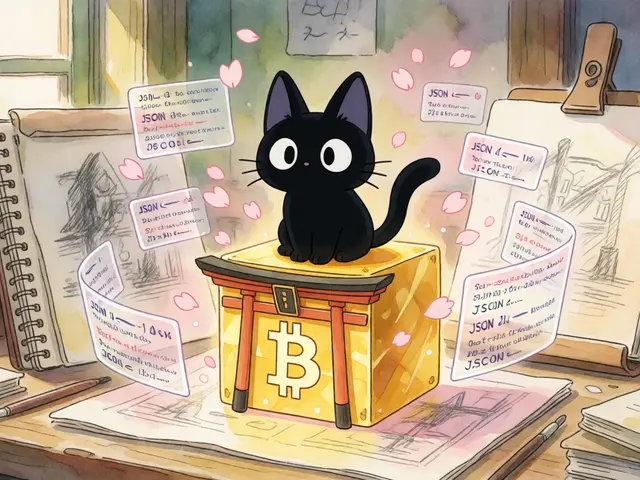
Most cryptocurrencies are born from whitepapers written by developers. MMSS was born from an IP. The token is tied to Mimic Shhans, a black cat character created by South Korean digital artist SHHAN. Launched on November 19, 2023, the project didn’t start with a traditional ICO. It started as a mint event that raised over $6 million in just four days.
Why did people buy in so quickly? Because it wasn’t just about speculation. It was about joining a club. The initial price per token ranged between $0.25 and $0.50. Early adopters weren’t just buying currency; they were buying into the Black Cat IP, which serves as the backbone for future art drops, fashion collaborations, and social events. This artist-led approach sets MMSS apart from tokens launched by anonymous teams or venture-backed startups.
How MMSS Works: The BRC-20 Standard
To understand MMSS, you need to understand Bitcoin Ordinals. Bitcoin doesn’t natively support smart contracts like Ethereum. So, how do you create a fungible token like MMSS on Bitcoin? You use the BRC-20 standard.
Here’s the simple version: A satoshi (the smallest unit of Bitcoin) can hold data. The Ordinals protocol allows users to inscribe JSON-formatted text onto individual satoshis. For MMSS, each token unit corresponds to these inscriptions. There is no separate smart contract holding balances. Instead, your wallet tracks specific inscription IDs to determine how many MMSS tokens you own. This means every transaction relies on the security of the Bitcoin proof-of-work network, inheriting its decentralization but also its slower block times of roughly 10 minutes.
| Feature | MMSS (BRC-20) | Typical ERC-20 (Ethereum) |
|---|---|---|
| Blockchain | Bitcoin | Ethereum |
| Token Creation | Inscriptions on Satoshis | Smart Contracts |
| Total Supply | 21,000,000 (Fixed) | Variable (often inflationary) |
| Security Model | Proof-of-Work (Bitcoin) | Proof-of-Stake (Ethereum) |
| Transfer Speed | ~10 minutes (Block time) | ~12 seconds (Block time) |
Tokenomics and Market Reality
The total supply of MMSS is capped at 21,000,000 tokens. This mirrors Bitcoin’s own scarcity model, appealing to holders who value fixed issuance. However, market data for micro-cap Ordinals tokens can be tricky. As of early 2026, major trackers show conflicting numbers. CoinMarketCap lists a fully diluted valuation (FDV) around $109,000, while CoinGecko estimates it closer to $163,000. Why the difference? Thin liquidity and varying snapshot times.
Trading volume tells a clearer story. Most activity happens on specialized platforms like BitMart, OKX-Ordinals, and Bitget. Poloniex sees minimal volume. If you’re looking to trade, expect volatility. In March 2026, MMSS saw a single-day price spike of over 330%. Conversely, it has experienced drawdowns of nearly 99% from its all-time highs. This isn’t a stable store of value; it’s a high-risk, high-reward asset driven by sentiment and community hype.
The Ecosystem: More Than Just a Coin
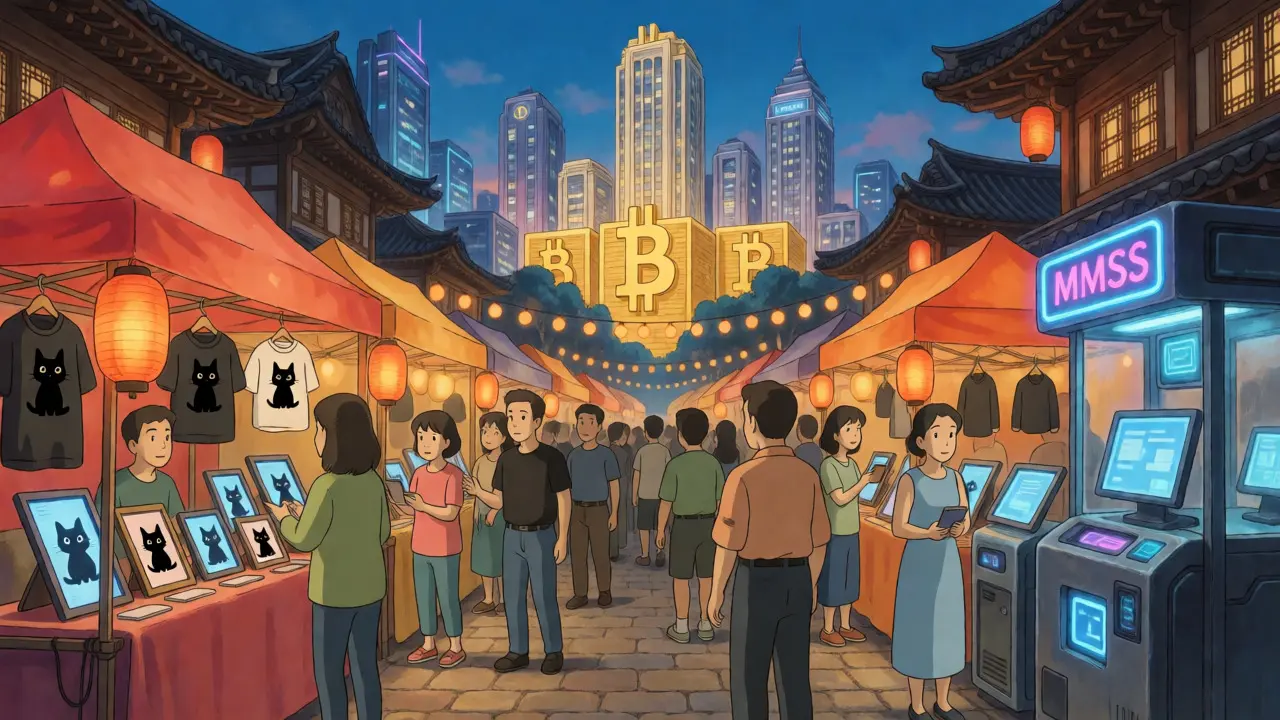
The team behind MMSS isn’t just resting on the initial launch. They’ve outlined a roadmap focused on expanding the MMSS Community beyond trading. The plan includes launching several clubs:
- MMSS Art Club: Focuses on exclusive digital and physical art drops featuring the Mimic Shhans character.
- MMSS Fashion Club: Collaborations with streetwear brands, leveraging the youth-centric appeal of the brand.
- MMSS BTC Research Institute: Educational content aimed at helping new users understand Bitcoin and Ordinals.
- MMSS Education Academy: Workshops and resources for artists entering the crypto space.
This strategy aims to give the token utility. If you hold MMSS, you aren’t just holding a speculative asset; you’re potentially gaining access to real-world events and digital perks. This hybrid model-part meme coin, part membership pass-is becoming more common in the Ordinals ecosystem.
Risks and Challenges
Before you buy, know the risks. First, liquidity is low. With an FDV often under $200,000, a large sell order can crash the price instantly. Second, data discrepancies are common. Some exchanges report circulating supply as zero because they don’t track on-chain inscription ownership correctly. Always check multiple sources.
Third, regulatory uncertainty looms. While Bitcoin itself is widely accepted, BRC-20 tokens occupy a gray area. They aren’t securities in the traditional sense, but they lack the clear legal framework of established assets. Finally, the project relies heavily on the popularity of the Mimic Shhans IP. If the cultural buzz fades, the token’s value could stagnate regardless of Bitcoin’s overall performance.
How to Buy and Store MMSS
You won’t find MMSS on Coinbase or Binance’s main spot markets yet. To acquire it, you typically need to use platforms that support Ordinals, such as:
- BitMart: Currently holds the majority of trading volume.
- OKX-Ordinals: Specialized interface for inscription-based tokens.
- Bitget: Offers grid trading tools for MMSS pairs.
- Kriptomat: Popular for European users, though liquidity varies.
For storage, you need an Ordinals-compatible wallet. Generic Bitcoin wallets may not display your MMSS balance correctly because they don’t index inscriptions. Use wallets like UniSat Wallet or Magic Eden Wallet to see your full holdings.
Frequently Asked Questions
Is MMSS a meme coin?
It depends on who you ask. Exchanges like Bitget label it a meme coin due to its viral origins and community-driven nature. Others, like Bitrue, classify it as an experimental BRC-20 asset because of its artistic IP and structured roadmap. Practically, it behaves like a meme coin with high volatility and strong social media influence.
Who created MMSS?
The token was created by SHHAN, a South Korean digital artist known for the Mimic Shhans black cat character. Unlike many crypto projects founded by anonymous developers, MMSS is tied to a public figure and existing intellectual property.
Can I mine MMSS?
No. MMSS has a fixed supply of 21 million tokens that were all minted during the initial launch phase in late 2023. There is no ongoing mining process for this token.
Why is MMSS only on Bitcoin?
MMSS uses the BRC-20 standard, which relies on the Ordinals protocol to inscribe data directly onto Bitcoin’s blockchain. This leverages Bitcoin’s security and brand recognition, distinguishing it from tokens on faster but less secure chains.
Where can I safely store MMSS?
Use wallets specifically designed for Ordinals, such as UniSat or Magic Eden. Standard hardware wallets might store the private keys, but you’ll need software that indexes inscriptions to view and manage your MMSS tokens properly.