The dream of quitting your day job to become a full-time content creator looks very different today than it did five years ago. Back then, posting consistently on one or two platforms was often enough to build an audience and secure brand deals. Now, the landscape is crowded, volatile, and technically demanding. The creator economy is a global economic sector driven by individuals producing digital content for online audiences, projected to exceed $500 billion in value by 2025. But with that massive growth comes a set of harsh realities that are reshaping how creators survive.
If you are looking at this space in 2026, you need to understand that being "creative" is no longer the only skill required. You are running a small media company. The barriers to entry have lowered, but the barriers to success have skyrocketed. Here is what is actually happening behind the scenes and how creators are adapting to stay relevant.
The Battle Against Content Saturation
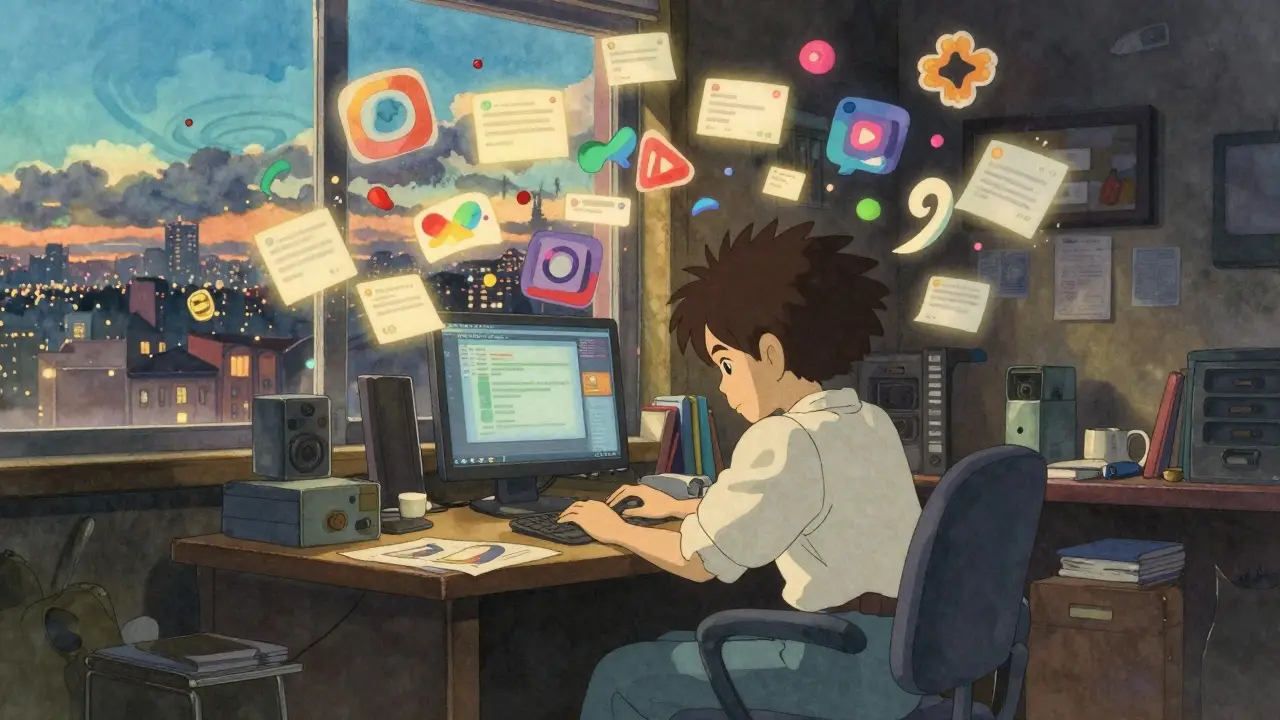
The most immediate problem anyone opening social media faces is noise. We are drowning in content. Millions of images and thousands of hours of video are uploaded every single day. For a new creator, getting noticed feels like shouting in a stadium during a concert. This isn't just about volume; it's about attention scarcity. Audiences are distracted, their feeds are endless, and their patience is thin.
In this environment, originality has shifted from a nice-to-have to a survival mechanism. Copying trends works for a short burst, but it doesn't build loyalty. Creators who succeed now are those who offer a unique perspective or authentic personality that cuts through the algorithmic feed. It’s not enough to post; you have to connect. Authenticity is the currency because it builds trust, and trust is the only thing that keeps an audience coming back when the algorithm inevitably changes.
Platform Dependency and Algorithm Anxiety
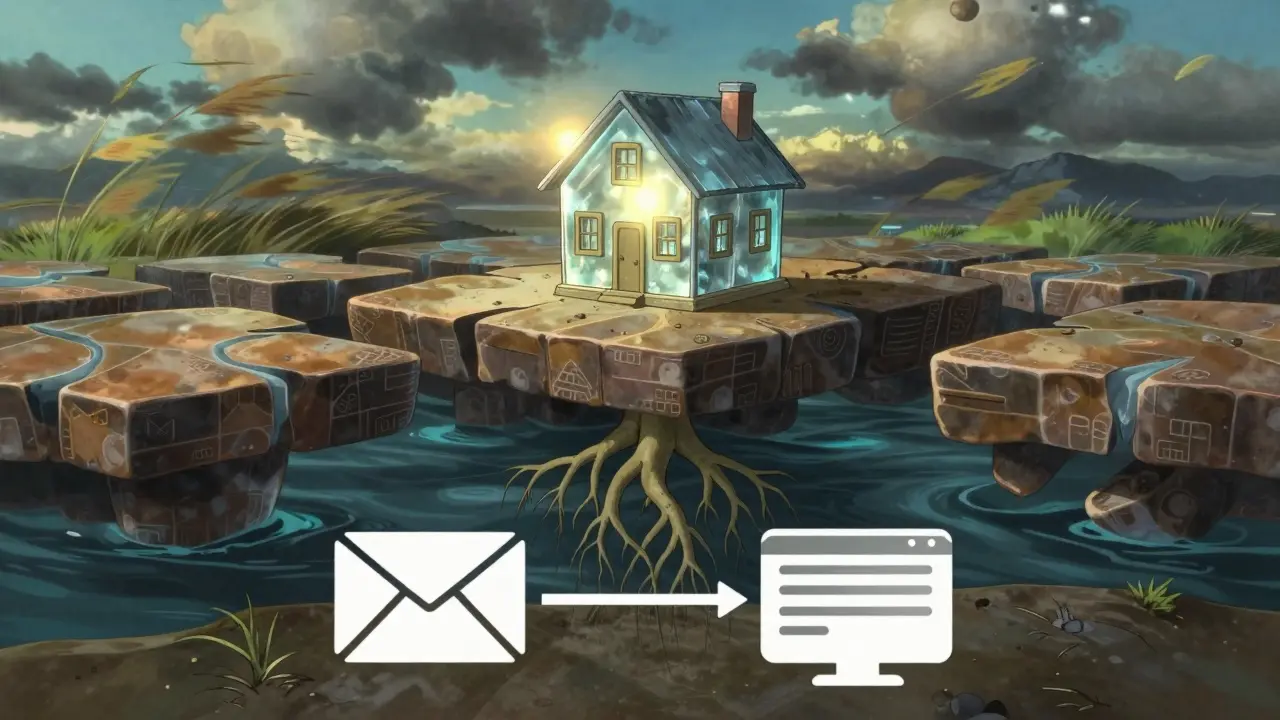
One of the biggest risks for any creator is building their house on rented land. Platforms like YouTube, Instagram, and TikTok control visibility. They change their algorithms without warning, shifting what gets promoted and what gets buried. A creator can wake up one day to find their reach has dropped by 80% overnight, simply because the platform decided to prioritize a different type of content or user behavior.
This vulnerability has forced a major strategic shift. Smart creators are no longer relying on a single platform. They are diversifying. This means having a presence on multiple social networks, but more importantly, building independent channels. Newsletters via Substack, personal websites, and direct email lists are becoming critical assets. These are channels you own. If TikTok bans you tomorrow, your email list still exists. This move toward independence is a direct response to the instability of platform-dependent income.
| Feature | Social Media Platforms (Rented) | Owned Channels (Email/Web) |
|---|---|---|
| Control over Audience | Low (Algorithm dependent) | High (Direct access) |
| Growth Speed | Fast (Viral potential) | Slow (Organic build) |
| Risk of Loss | High (Account suspension) | Low (Data ownership) |
| Monetization Directness | Indirect (Ads/Sponsorships) | Direct (Subscriptions/Sales) |
The Complexity of Revenue Diversification
Ad revenue alone rarely pays the bills anymore. The old model of waiting for a brand sponsorship or hoping for high ad views is insufficient for most. Today, successful creators operate like diversified investment portfolios. They need multiple income streams to survive market fluctuations.
This includes subscriptions, premium content downloads, live streaming tips, affiliate marketing, and selling own products. However, this creates a new challenge: operational complexity. You are no longer just a videographer or writer. You are a business manager, a financial planner, and a customer service rep. According to recent data, 66% of the over 200 million people who identify as creators treat it as a side hustle. Why? Because achieving full-time sustainability requires mastering these diverse monetization methods, which is a steep learning curve.
AI Integration and the Trust Deficit
Artificial intelligence is changing the game, but not always smoothly. Generative AI tools can help with scripting, editing, and even creating visuals. About 63% of brands plan to use AI for influencer discovery and content optimization. This efficiency is tempting, but it carries a heavy risk: trust erosion.
Audiences crave human connection. When brands or creators lean too heavily into AI, they risk losing that authenticity. Remember Duolingo’s backlash when they hinted at replacing human contractors with AI? The internet reacted negatively, leading to deleted content and damaged reputation. The lesson is clear: efficiency gains are meaningless if they trigger a brand crisis. Creators must use AI as a tool to enhance their work, not replace their personality. Transparency is key. If you use AI, tell your audience. Hiding it breaks trust, and once trust is broken, it is nearly impossible to rebuild.
Measurement and Analytics Crisis
For brands working with creators, measuring return on investment (ROI) remains a significant hurdle. Jasmine Enberg from eMarketer noted that 20% of US marketers hesitate to invest in influencer marketing due to measurement issues. Brands want concrete results-sales, leads, conversions-not just likes and comments.
The old metric of follower count is dead. Having a million followers doesn’t mean you can sell a product. Marketers are now looking deeper into engagement quality: breadth, depth, and sentiment. Are people buying? Are they commenting meaningfully? This shift forces creators to provide better data and prove their value beyond vanity metrics. It also complicates partnerships, as brands struggle to identify the right creators among the millions available.
Burnout and the Relentless Growth Cycle
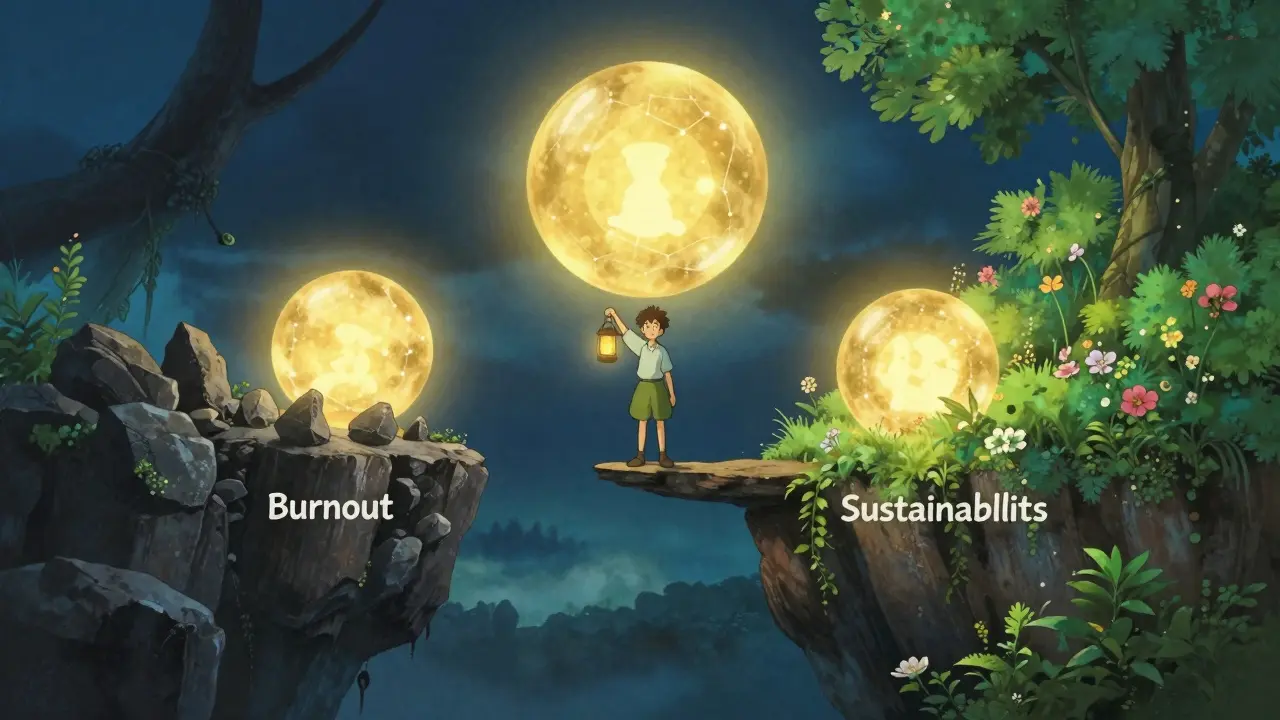
The pressure to produce is relentless. The industry operates on a cycle of "more": more content, more followers, more engagement. This constant demand for escalation leads to burnout. Creators feel compelled to post daily, engage constantly, and expand into new formats to stay relevant. This unsustainable pace threatens the long-term viability of many careers.
Sustainability requires setting boundaries. Successful creators are learning to batch content, automate where possible, and focus on quality over quantity. They are prioritizing mental health and realistic growth goals. It’s a shift from chasing viral moments to building a stable, manageable business.
Future Adaptation: Niche Down to Scale Up
Looking ahead, the winners will be those who balance specialization with scalability. Generalists struggle in a saturated market. Niche creators who build hyper-engaged audiences around specific topics tend to perform better. These audiences are more loyal and more likely to convert into customers.
However, niching down can limit scale. The challenge is finding a niche broad enough to sustain growth but specific enough to stand out. Creators are also adapting to new technologies, including blockchain-based platforms that offer greater ownership and transparency. While still emerging, these technologies promise to reduce platform dependency and improve monetization fairness.
Success in 2026 requires adaptability. You must be data-savvy, tech-comfortable, and authentically human. It’s a complex balancing act, but for those willing to treat their creativity as a serious business, the opportunities remain vast.
What is the biggest challenge for creators in 2026?
The biggest challenge is navigating content saturation while maintaining authenticity. With millions of posts daily, standing out requires unique perspectives and genuine connection, not just high-volume output.
How can creators reduce platform dependency?
Creators should build owned channels like email newsletters and personal websites. Diversifying across multiple social platforms helps, but owning your audience data through direct communication channels provides true security against algorithm changes.
Is AI bad for the creator economy?
Not inherently, but it poses a trust risk. AI can streamline production, but over-reliance or lack of transparency can erode audience trust. Creators should use AI as a support tool while keeping their human voice central.
Why is revenue diversification important?
Relying on a single income stream like ads or sponsorships is risky. Diversifying into subscriptions, products, and affiliates stabilizes income and protects against market shifts or platform policy changes.
How do brands measure creator impact now?
Brands are moving beyond follower counts to analyze engagement quality, sentiment, and conversion rates. They look for concrete business results rather than just brand awareness metrics.