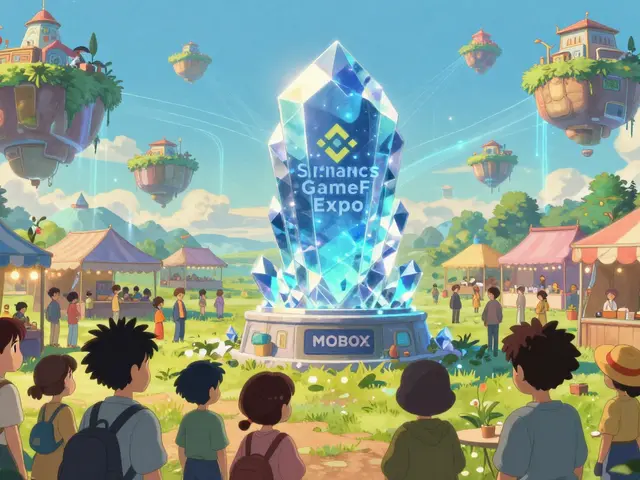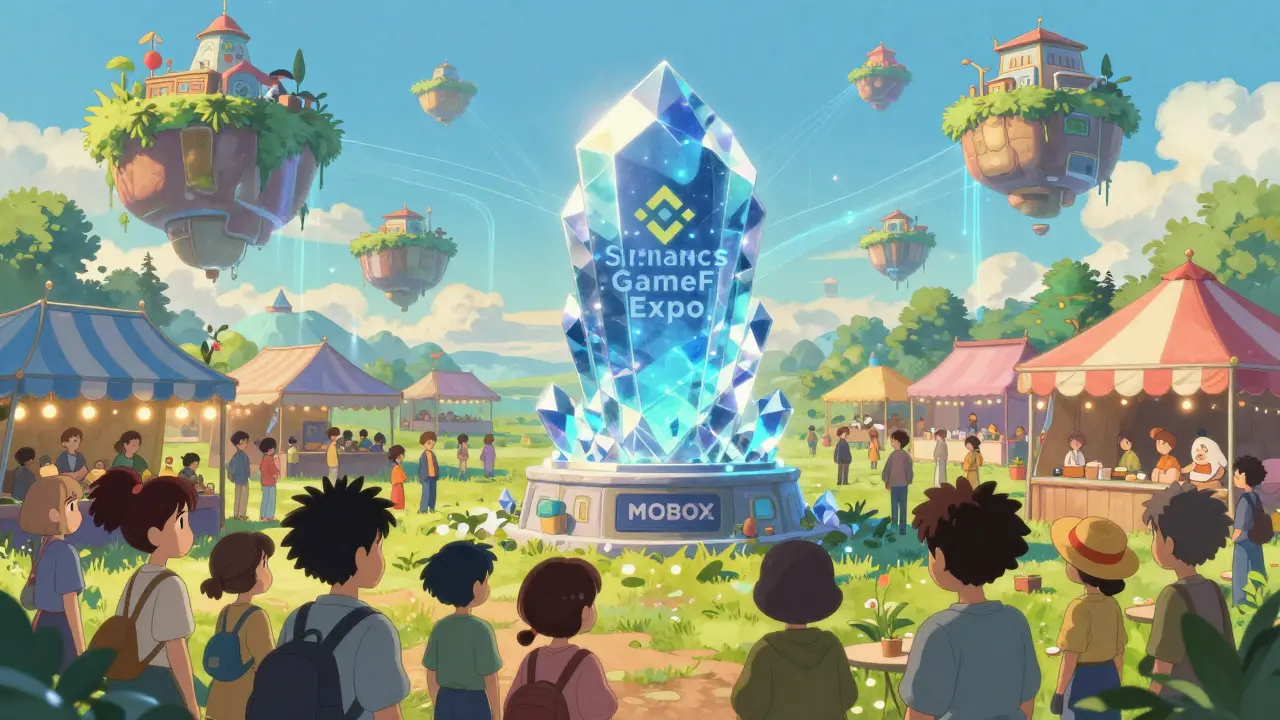
Did you miss out on the MOBOX airdrop back in 2021? You’re not alone. Many crypto enthusiasts look back at the Binance Smart Chain (BSC) GameFi Expo III with a mix of curiosity and regret. This event wasn’t just another token giveaway; it was a pivotal moment for the GameFi sector, distributing over $60,000 worth of tokens across three major projects. For MOBOX specifically, this campaign handed out approximately $20,000 in MBOX tokens to lucky participants.
If you are researching this event now, it is crucial to understand that the window for claiming these tokens closed years ago. The campaign ran strictly from October 23 to October 30, 2021. However, understanding how this airdrop worked provides valuable insight into MOBOX’s growth strategy and the mechanics of early GameFi distributions. Let’s break down what happened, who qualified, and why this event remains a case study in successful crypto marketing.
The Context: BSC GameFi Expo III
To understand the MOBOX airdrop, you first need to look at the broader stage. The Binance Smart Chain (BSC) was heating up in late 2021 as a cheaper, faster alternative to Ethereum for gaming applications. The BSC team organized three "GameFi Expos" to highlight top projects in their ecosystem. Expo III focused on established platforms rather than brand-new startups.
MOBOX joined forces with two other significant projects: Dragonary and DSG Metaverse. Together, they created a week-long promotional blitz. The goal was simple: drive user acquisition and educate the market on play-to-earn mechanics. By bundling these three projects, BSC created a competitive environment where users had to engage with multiple ecosystems to maximize their rewards. This structure forced participants to learn about each platform’s unique value proposition, which benefited MOBOX significantly by exposing its MOMO NFT system to a wider audience.
Airdrop Mechanics and Eligibility
The distribution mechanism relied heavily on CoinMarketCap, a trusted data aggregator in the crypto space. Using CoinMarketCap added legitimacy to the event, reducing fears of scams or phishing links that plagued earlier airdrops. Here is how the process actually worked for those who participated:
- Timing: The airdrop pages went live on October 23, 2021. Users reported that accessing the page required persistence, as links sometimes lagged or required refreshing until the exact start time.
- Engagement Requirements: It wasn’t just a click-and-collect scenario. Participants had to engage with educational content. This included watching a live stream hosted by Simran on October 25, 2021, via BSC’s social channels.
- Knowledge Testing: After the live stream, users faced quizzes. These tests ensured participants understood MOBOX’s core concepts, such as hash power and token utility. Correct answers were often tied to unlocking higher tiers of rewards.
- Token Limits: Each eligible participant could receive up to 4,500 MBOX tokens. This cap prevented whales from draining the supply while offering substantial value to genuine community members.
The requirement to watch streams and answer questions might have felt tedious at the time, but it served a strategic purpose. It filtered out bots and ensured that new users actually understood how to use the platform after receiving their free tokens.

Understanding the MOBOX Ecosystem
Why did MOBOX give away so much value? To answer that, you need to understand what users were getting themselves into. MOBOX is not just a game; it is a metaverse platform combining decentralized finance (DeFi) with gaming. At the time of the airdrop, the ecosystem revolved around several key components:
| Component | Function | Value Proposition |
|---|---|---|
| MOMO NFTs | Cubic character assets | Generate hash power for mining; act as collectibles |
| MBOX Token | Governance & Utility | Used for staking, voting, and high-value transactions |
| MEC Crystal | In-game currency | Used for upgrading MOMOs and paying transaction fees |
| Hash Power | Mining efficiency metric | Determines how many tokens you earn per day |
The MOMO system was the heart of the operation. These cubic NFTs weren’t just pictures; they were functional tools. Users could increase their "hash power" by acquiring rarer MOMOs, upgrading them with MEC crystals, or grouping them strategically. This mechanic encouraged long-term engagement rather than quick cash-outs. If you claimed the airdrop tokens, the immediate next step was usually buying or minting MOMOs to start earning passive income.
Market Performance and Value Realization
Let’s talk numbers. At the time of the Expo III, MOBOX was already showing impressive traction. In the month leading up to the event, it ranked as the second-highest recipient of incoming funds among all BSC GameFi projects. This capital inflow signaled strong investor confidence.
For airdrop recipients, the timing was favorable. The maximum allocation of 4,500 MBOX tokens represented significant potential value. While prices fluctuate wildly in crypto, the project’s market capitalization grew from roughly $28.73 million during the analysis period to much higher levels in subsequent months. Those who held onto their tokens saw considerable appreciation. Even today, MBOX maintains a robust daily trading volume, indicating sustained interest in the platform.
Experts at the time, including analysts from CryptoSlate, praised MOBOX for avoiding the "zombie chain" trap. Many GameFi projects launched with hype but failed to retain users. MOBOX’s combination of yield farming mechanics with actual gameplay (like Token Master and Block Brawler) helped it stand out. The airdrop acted as a catalyst, bringing in thousands of users who then experienced the depth of the ecosystem firsthand.
Lessons for Modern Crypto Investors
You can’t claim the 2021 airdrop now, but the lessons from the BSC GameFi Expo III remain relevant. First, always verify the source. MOBOX used CoinMarketCap, which provided a layer of security. Second, pay attention to educational requirements. Projects that make you learn about their tech are often more serious about long-term viability than those that simply hand out tokens for following a Twitter account.
Third, understand the tokenomics. MOBOX’s dual-token model (MBOX for governance, MEC for utility) is a common pattern in sustainable GameFi projects. It separates speculative trading from daily gameplay costs, creating a healthier economic loop. When looking at current airdrops, ask yourself: does this project have a clear utility for its token beyond speculation?
Finally, recognize the importance of ecosystem partnerships. MOBOX didn’t operate in a vacuum; it leveraged the BSC network’s push for GameFi. Today, similar dynamics play out on networks like Solana and Polygon. Keeping an eye on exchange-led initiatives can help you spot the next big opportunity before it becomes mainstream.
Can I still claim the MOBOX BSC GameFi Expo III airdrop?
No, the airdrop campaign ended on October 30, 2021. All eligible claims were processed through CoinMarketCap during that specific week. There is no way to retroactively claim these tokens.
What was the maximum amount of MBOX tokens distributed?
Participants could receive up to 4,500 MBOX tokens. The total allocation for MOBOX in the Expo III event was approximately $20,000 worth of tokens at the time.
Who else participated in the BSC GameFi Expo III?
MOBOX shared the spotlight with Dragonary and DSG Metaverse. Together, these three projects distributed over $60,000 in collective value to participants.
How did users qualify for the MOBOX airdrop?
Qualification required active engagement. Users had to visit the CoinMarketCap airdrop page, watch mandatory live streams, complete knowledge quizzes about the MOBOX ecosystem, and maintain engagement throughout the week-long event.
What are MOMOs in the MOBOX ecosystem?
MOMOs are cubic NFT characters that serve as the primary mining mechanism. They generate "hash power," which determines how many tokens a user earns. Users can upgrade MOMOs using MEC crystals or combine them for bonuses.
Is MOBOX still active in 2026?
Yes, MOBOX continues to operate as a major GameFi platform. It has expanded its offerings, including games like ChainZ Arena, and maintains significant daily trading volumes for its MBOX token.