Why Creators Are Leaving Traditional Platforms for Blockchain-Based Networks
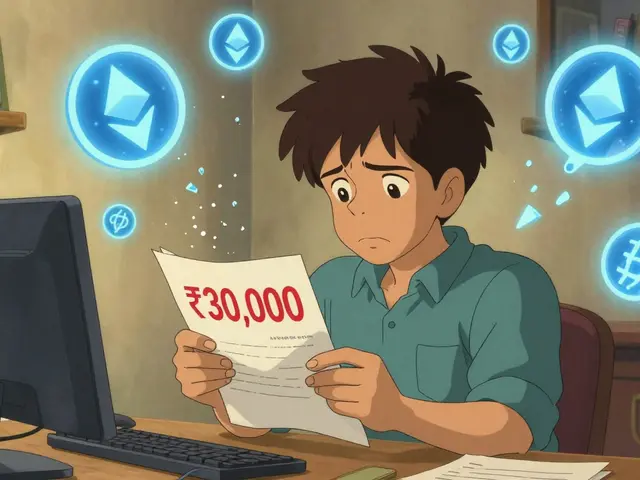
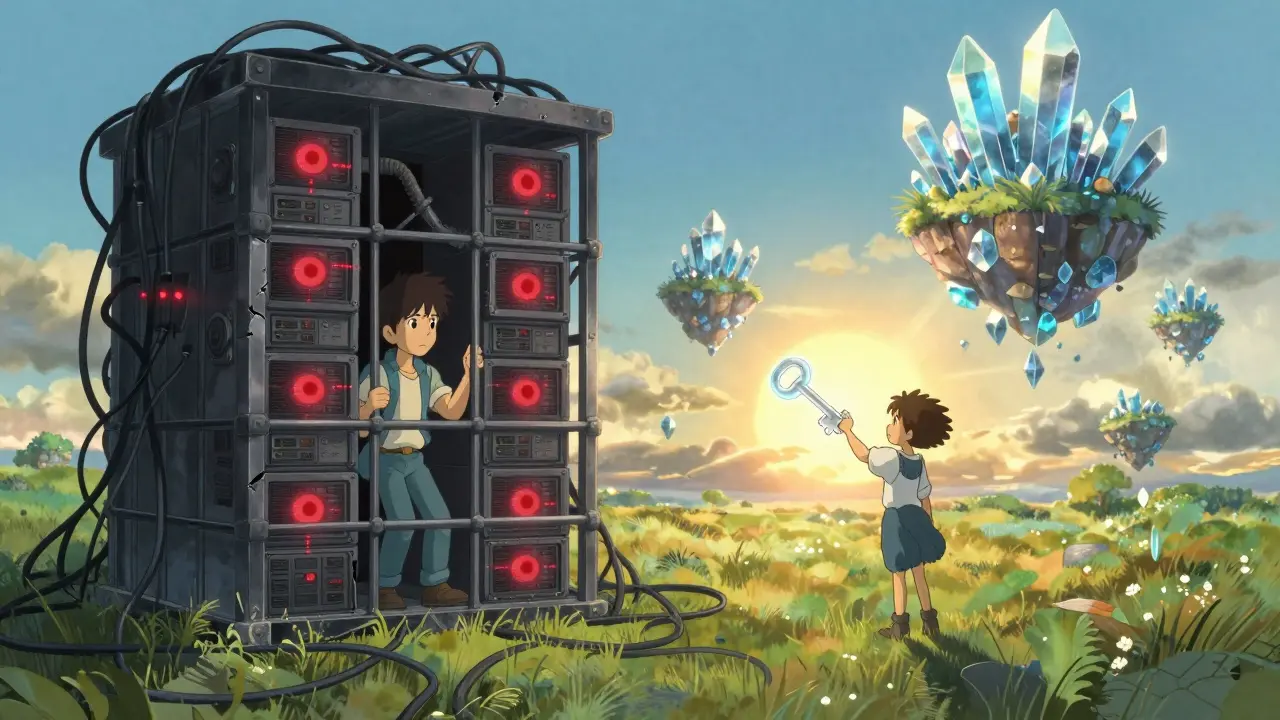
You spend hours crafting content. You build a loyal audience. Then, overnight, the algorithm changes. Your reach drops by 80%. Or worse, your account gets shadowbanned because an advertiser complained about something you said three years ago. This is the reality for millions of creators on centralized platforms like Facebook, X (formerly Twitter), and Instagram. These companies own your data, control your distribution, and take the lion's share of any revenue generated. In 2025, this frustration reached a boiling point, driving a massive migration toward decentralized social media.
Decentralized social media (DeSoc) represents a fundamental shift from advertising-based revenue models to creator-centric, token-based economic systems that prioritize direct creator-audience relationships and content ownership. Unlike traditional networks where you are the product, DeSoc platforms treat you as the owner. You hold your social graph, your content, and your earnings in a digital wallet. No middleman can freeze your funds or delete your history without a clear, transparent reason. This isn't just about privacy; it's about economics. It's about building a business on infrastructure you actually control.
The Core Mechanisms: How Money Moves in DeSoc
In traditional social media, money flows from advertisers to the platform, with a tiny trickle down to creators who meet arbitrary thresholds. In decentralized networks, money flows directly from user to creator. This peer-to-peer transaction model relies on blockchain technology to ensure security and transparency. There are four primary ways creators generate income on these platforms today.
- Direct Tipping: Followers send cryptocurrency or stablecoins directly to a creator's wallet when they appreciate specific posts. This is the most common method, supported by nearly every DeSoc platform.
- Creator Coins: Users buy tokens tied to a specific creator's reputation. If the creator grows in influence, the coin value may rise. This turns fan engagement into an investment vehicle.
- NFT Sales and Collectibles: Creators mint their content as non-fungible tokens. When users "collect" or buy these posts, the creator earns the sale price plus potential royalties on secondary sales.
- Subscription Gating: Premium content is locked behind a paywall. Only users holding a specific token or paying a monthly fee via smart contract can access exclusive feeds or communities.
This structure eliminates the risk of demonetization due to advertiser boycotts. If your community wants to support you, they can do so instantly, regardless of corporate policy shifts. The rules are written in code, not in a hidden terms-of-service document that changes without notice.
Platform Breakdown: Lens, Farcaster, and Diamond App
Not all decentralized platforms work the same way. Each has its own technical architecture, native tokens, and monetization features. Understanding these differences is crucial for choosing the right home for your audience. Here is how the leading protocols compare in 2025.
| Platform | Underlying Technology | Primary Monetization Feature | Transaction Cost |
|---|---|---|---|
| Lens Protocol | Polygon Blockchain | 5% fee on content collections shared with creators | Low (via Polygon sidechain) |
| Farcaster | Optimism Layer 2 | $0.01 per post fee + DEGEN tipping token | Very Low |
| Diamond App | DeSo Blockchain | Creator Coins and like-to-earn mechanisms | Native DeSo fees |
| Mastodon | Federated Servers (ActivityPub) | Donations via third-party integrations (Patreon/Ko-fi) | None (no native crypto) |
Lens Protocol operates on the Polygon blockchain, which ensures fast and cheap transactions. Its standout feature is the collection fee. When a user buys a post as an NFT, Lens takes a 5% cut, but instead of keeping it, the protocol shares this fee with the original creator. This creates a passive income stream for viral content. Lens also allows full portability of your social graph, meaning you can switch front-end apps (like Lenster or Phaver) without losing your followers or content.
Farcaster, built on Optimism, takes a different approach. It charges a nominal $0.01 fee per post to prevent spam, which helps fund network maintenance. For monetization, it relies heavily on DEGEN, its platform-specific meme token used for tipping. Farcaster emphasizes identity portability; your profile follows you across different client applications. This makes it ideal for developers and tech-savvy creators who want to experiment with custom interfaces while maintaining a consistent audience relationship.
Diamond App, running on the DeSo blockchain, pioneered the concept of Creator Coins. Every user can have their own token that reflects their influence. Fans buy these coins, effectively betting on the creator's future success. By late 2022, Diamond had over 130,000 active users, proving that likes could be converted into actual currency. This model gamifies engagement, rewarding creators who build strong, interactive communities rather than just broadcasting content.
The Technical Barrier: Wallets, Tokens, and Onboarding
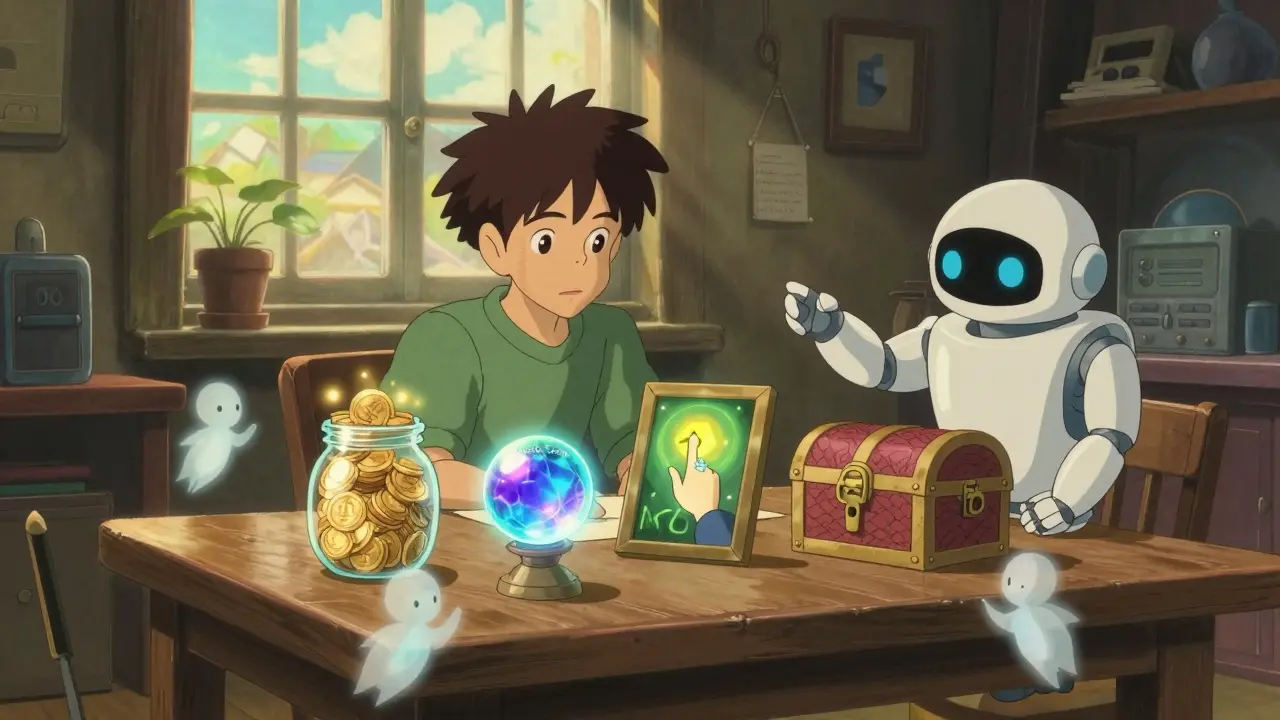
The biggest hurdle for mainstream adoption remains the learning curve. To monetize on DeSoc, you need more than just a username and password. You need a cryptocurrency wallet. This is a digital tool that stores your private keys, allowing you to sign transactions and receive payments. Popular wallets include MetaMask, Rainbow, and Phantom.
Setting up a wallet involves generating a seed phrase-a list of 12 or 24 words that acts as your master password. If you lose this phrase, you lose access to your funds and content forever. There is no "forgot password" button. This responsibility scares off many traditional creators. However, once set up, the process becomes intuitive. You connect your wallet to the platform, fund it with a small amount of ETH, POL, or USDC, and start posting.
For audiences unfamiliar with crypto, platforms like Minds bridge the gap by accepting fiat currency donations alongside cryptocurrency tips. This hybrid approach lowers the barrier to entry for casual supporters. Still, educating your audience is part of the job. You must explain why they should tip you in tokens rather than just liking a post. Transparency builds trust here. Show them exactly how much they sent, and how it supports your work.
Strategic Advantages Over Centralized Giants
Why bother with the complexity? Because the long-term economics favor decentralization. On platforms like YouTube or TikTok, you are at the mercy of opaque algorithms designed to maximize ad views, not creator sustainability. A single policy change can wipe out your income. In DeSoc, visibility is driven by social signals-likes, reposts, and comments-from real humans. There is no secret formula to game.
Consider the early adopter advantage. Just as those who joined Twitter in 2009 or YouTube in 2006 now dominate those spaces, creators establishing presence on Lens and Farcaster today will likely lead these networks as they grow. Token-based economies reward loyalty. Fans who hold your Creator Coin or regularly tip you become stakeholders in your success. They are incentivized to promote your content because it increases the value of their holdings.
Furthermore, data ownership means you can export your entire social graph if a platform fails or becomes obsolete. On centralized networks, your followers belong to the company. On DeSoc, they belong to you. This portability reduces vendor lock-in and gives you negotiating power. You can try multiple front-end clients to see which offers the best user experience, knowing your audience will follow you.
Challenges and Risks to Consider
Despite the promise, DeSoc is not without flaws. User adoption is still limited compared to billions-strong centralized platforms. You won't find your grandmother on Farcaster yet. This means you may need to cross-post content to traditional networks to drive traffic to your decentralized profile. This dual-strategy requires time and effort.
Volatile cryptocurrency markets also pose a risk. If you earn tips in ETH or a niche token, their value could drop significantly before you convert to stablecoins or fiat. Smart creators mitigate this by immediately swapping volatile tokens for USDC or USD. Additionally, regulatory uncertainty around securities laws could impact Creator Coins. While most platforms argue these are utility tokens representing reputation, legal frameworks are still evolving.
Finally, the lack of customer support can be frustrating. If you get scammed or send funds to the wrong address, there is no central authority to reverse the transaction. Blockchain is immutable. This demands a higher level of personal responsibility and security hygiene from both creators and users.
Getting Started: A Practical Checklist
If you're ready to dive in, follow these steps to establish your first decentralized monetization stream:
- Choose a Platform: Start with Lens Protocol if you prefer NFT-style collections, or Farcaster if you want a Twitter-like experience with low fees.
- Set Up a Wallet: Install MetaMask or Rainbow. Secure your seed phrase offline. Never share it with anyone.
- Fund Your Account: Buy a small amount of ETH or POL on an exchange like Coinbase or Binance. Transfer it to your wallet.
- Create Your Profile: Connect your wallet to the platform. Customize your bio and link your traditional social media accounts to drive initial traffic.
- Educate Your Audience: Post a thread explaining how to tip you. Provide step-by-step screenshots. Make it easy for fans to participate.
- Engage Consistently: Build community through replies and interactions. DeSoc rewards genuine engagement over broadcast-only behavior.
Join Discord servers and Telegram groups related to your chosen platform. These communities are rich sources of technical advice and collaboration opportunities. Many creators report that the supportive nature of Web3 communities accelerates their growth compared to the competitive environment of traditional social media.
The Future of Creator Economies
As we move through 2025 and into 2026, the trend toward user-owned platforms is accelerating. Industry analysts predict that attention-and therefore money-is shifting away from ad-heavy giants toward transparent, community-driven networks. DAOs (Decentralized Autonomous Organizations) are emerging to govern these platforms, giving users a vote in future development. This aligns incentives perfectly: if the platform succeeds, everyone benefits.
Specialized agencies are already forming to help brands and creators navigate this new landscape. They offer services ranging from wallet setup to tokenomics design. For individual creators, the opportunity is to build a sustainable business model that doesn't rely on the whims of Silicon Valley executives. By owning your data and your revenue streams, you gain true independence. The technology is here. The question is whether you're ready to take control.
Is it expensive to start creating on decentralized social media?
Initial costs are low. You only need enough cryptocurrency to cover gas fees for setting up your profile and posting. On platforms like Lens (Polygon) or Farcaster (Optimism), these fees are often less than $0.01 per transaction. However, you will need to purchase some ETH or POL to begin, which fluctuates in value.
Can I use my existing followers from Twitter or Instagram?
You cannot automatically transfer followers. You must manually invite them to join your new decentralized profile. This is why cross-posting and education are critical in the early stages. Highlight the benefits of direct support and data ownership to encourage migration.
What happens if I lose my private key or seed phrase?
You lose permanent access to your account and any funds stored in your wallet. There is no recovery option. This is why writing down your seed phrase on paper and storing it securely is the most important step in getting started. Never store it digitally or share it online.
Are Creator Coins legal investments?
The legal status varies by jurisdiction. Most platforms classify them as utility tokens representing social reputation rather than financial securities. However, regulations are evolving. Always consult local financial laws before promoting or trading Creator Coins extensively.
Which platform is best for beginners?
Farcaster is often recommended for beginners due to its familiar interface and low transaction costs. Lens Protocol is ideal for creators interested in NFTs and visual content. Mastodon is a good non-crypto alternative if you prefer traditional donation links but want a decentralized network.