
When you're looking to buy Bitcoin, stake Ethereum, or trade altcoins without getting lost in a sea of confusing interfaces, VALR stands out as one of the few crypto exchanges built for real people - especially if you're in South Africa or nearby regions. But is it the right choice for you? Let’s cut through the noise and break down exactly what VALR offers, what it lacks, and who it’s really for.
What Is VALR?
VALR is a cryptocurrency exchange founded in 2018 and based in Johannesburg, South Africa. It launched fully in 2021 and has since grown to serve over 1.5 million users worldwide, with more than 100,000 active traders. Unlike global giants like Binance or Coinbase, VALR doesn’t try to be everything to everyone. Instead, it focuses on making crypto trading simple, fast, and reliable - especially for users in emerging markets. It’s backed by serious players like Pantera Capital and Coinbase Ventures, which tells you it’s not some fly-by-night operation.
What sets VALR apart? It’s built to connect traditional money with crypto. You can deposit ZAR, EUR, or USD directly from your bank account. No need for third-party payment processors. And if you’re in South Africa, you can even use your debit card to buy crypto instantly.
Trading Options and Crypto Selection
VALR supports 75 cryptocurrencies, including the big names: Bitcoin (BTC), Ethereum (ETH), Solana (SOL), Litecoin (LTC), and XRP. But it’s not just about coins. VALR also offers something rare on most exchanges: xStocks - tokenized versions of real-world stocks like Apple and Tesla. This lets you gain exposure to traditional markets without leaving the crypto platform.
You can trade these assets in three ways:
- Spot trading - buy and sell crypto at current market prices.
- Futures trading - bet on price movements with leverage up to 1:10.
- Margin trading - borrow funds to increase your position size.
Staking is also available. You can lock up assets like ETH, SOL, or ADA and earn hourly rewards. No complicated DeFi protocols - just one click to start earning.
But here’s the catch: compared to Binance or Kraken, VALR’s selection is limited. You won’t find hundreds of new memecoins or obscure DeFi tokens. If you’re chasing the latest trending altcoin, you might get frustrated.
Fees and Costs
VALR’s fee structure is one of its strongest points. For spot trading:
- Makers (orders that add liquidity): 0%
- Takers (orders that remove liquidity): 0.05%
For futures trading:
- Makers: 0%
- Takers: 0.04%
That’s lower than most exchanges. Even better - you can cut fees by up to 15% by referring friends through their program. And if you’re a market maker, VALR actually pays you 0.01% per trade. Yes, you read that right. They pay you to place buy/sell orders.
Deposit fees? Zero. Withdrawal fees vary by coin but are transparently listed. No hidden charges. No surprise fees when you cash out.

Security and Compliance
Security on VALR is tight. All user funds are stored in cold storage, and the platform uses SSL encryption and two-factor authentication (2FA). What’s unusual is that VALR stores its assets with Bittrex - a major international custodian - adding another layer of protection.
There’s no regulatory license from the FSCA or any major global authority. That’s a red flag for some. But here’s the nuance: VALR doesn’t break rules - it operates under a compliance framework that meets international standards. No regulatory violations have been recorded. Tax reporting is handled cleanly, and the platform provides clear transaction histories for users who need to file crypto taxes.
Still, if you’re a professional investor or institution, the lack of formal licensing might make you pause. For everyday traders? It’s not a dealbreaker.
User Experience and Interface
Signing up takes under five minutes. Upload your ID, verify your email, enable 2FA - done. The interface is clean, intuitive, and mobile-first. The Android and iOS apps have over 500,000 downloads and hold a 4.3-star rating on Google Play.
Real users say things like: “The platform is smooth and easy to use and they never under promise.” That’s rare. Most exchanges overhype features and underdeliver. VALR doesn’t.
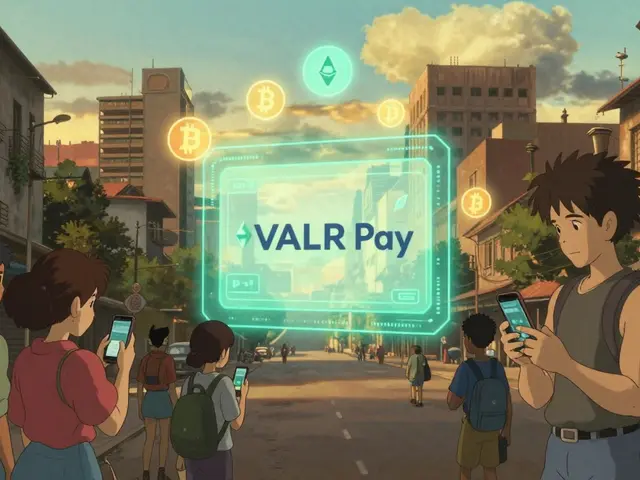
One standout feature is VALR Pay. It lets you send crypto or ZAR to any phone number using a QR code. No wallet addresses needed. Just type a number and hit send. It’s like WhatsApp for crypto - and no other major exchange offers anything like it.

Limitations and Downsides
VALR isn’t perfect. Here’s where it falls short:
- No U.S., Canada, or Indian access - You can’t use VALR if you live in those countries. It’s blocked.
- Only South African banks for fiat deposits - If you’re outside Africa, you can’t deposit ZAR. You’re stuck with EUR or USD via wire transfer - which takes days and costs more.
- Minimal educational content - No video tutorials, no demo accounts, no trading strategies. Beginners are left to Google everything.
- Limited altcoin selection - If you want the latest 100 new tokens, VALR isn’t your exchange.
These aren’t small issues. If you’re outside South Africa and want to deposit via credit card or bank transfer in your local currency, you’ll struggle. And if you’re new to crypto and need hand-holding, you’ll feel lost.
Who Is VALR Really For?
VALR shines for three types of users:
- South Africans - If you’re in SA, VALR is arguably the best local option. Instant ZAR deposits, low fees, and a simple interface make it unbeatable.
- Regional users in Africa - If you’re in Nigeria, Kenya, or Ghana and want a reliable way to trade crypto without high fees or long delays, VALR is worth trying.
- Passive income seekers - The hourly staking rewards and easy-to-use lending tools make it great for holding crypto long-term.
If you’re in the U.S., Canada, or Europe and want full access to hundreds of coins with easy fiat deposits - skip VALR. Go for Coinbase or Kraken instead.
Final Verdict: Should You Use VALR?
VALR isn’t the biggest crypto exchange. It’s not the most feature-packed. But it doesn’t need to be.
It’s the best exchange for people who want:
- A clean, fast, no-nonsense trading experience
- Low fees with real savings
- Easy crypto-to-fiat access in South Africa
- Unique features like VALR Pay and xStocks
If you’re outside Africa, your options are better elsewhere. But if you’re in South Africa - or nearby - VALR delivers exactly what it promises. No fluff. No hype. Just solid, reliable crypto trading.
For beginners? Start here - but pair it with YouTube tutorials or Reddit communities. For experienced traders? Use the API. For passive earners? Stake your ETH. VALR does all of it well - within its limits.
Is VALR safe to use?
Yes, VALR is considered safe. It uses cold storage, two-factor authentication (2FA), and SSL encryption. User funds are held by Bittrex, a reputable international custodian. There have been no reported security breaches or regulatory violations. However, it lacks formal licensing from major financial authorities like the FSCA, which may concern institutional users.
Can I use VALR in the United States?
No, VALR does not operate in the United States. It’s blocked for users in the U.S., Canada, India, Russia, Ukraine, and several other countries due to regulatory restrictions. If you’re in one of these regions, you’ll need to use a different exchange like Coinbase or Kraken.
What are the trading fees on VALR?
VALR charges 0% for maker orders and 0.05% for taker orders on spot trading. For futures trading, makers pay 0% and takers pay 0.04%. These fees are below industry average. You can reduce them further by referring friends - up to 15% off trading fees.
Does VALR offer staking?
Yes, VALR offers staking for major cryptocurrencies like Ethereum, Solana, and Cardano. Rewards are distributed hourly, which is more frequent than most exchanges. Staking is simple: deposit your coins, enable staking in the app, and start earning automatically.
Can I deposit fiat currency on VALR?
Yes, but only if you’re in South Africa, the EU, or using USD. South African users can deposit ZAR via EFT or debit card. EU users can use SEPA transfers in EUR. USD deposits are accepted via wire transfer. There are no deposit fees, but international users must use bank transfers - no credit card support outside of South Africa.
What makes VALR different from Binance or Coinbase?
VALR is smaller and regionally focused, especially on South Africa. It offers unique features like VALR Pay (send crypto via phone number) and xStocks (tokenized stocks). Its fees are lower than Binance’s, and it’s simpler for beginners. But it lacks the depth of coins, educational resources, and global fiat access that Binance and Coinbase provide. Think of VALR as the local convenience store - great if you’re nearby, limited if you’re far away.







Write a comment
Your email address will be restricted to us