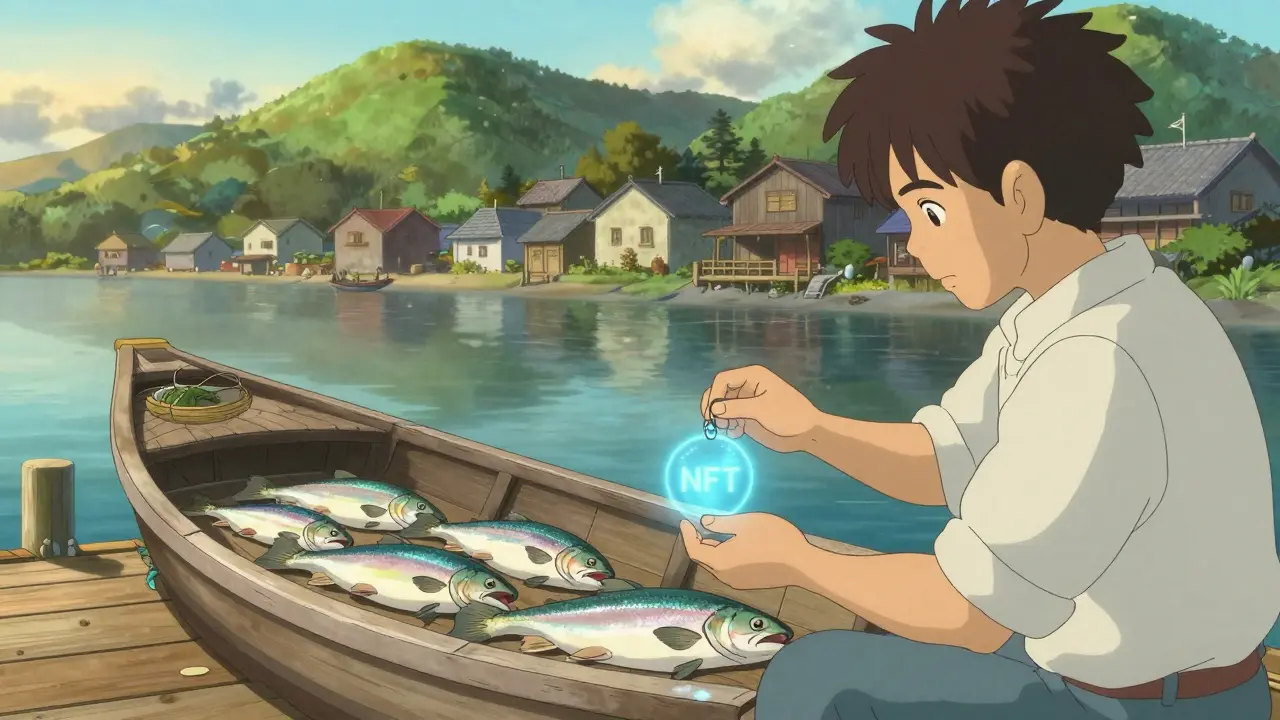
Imagine buying a piece of organic salmon and knowing exactly which vessel caught it, the precise GPS coordinates of the harvest, and every single temperature-controlled warehouse it touched before hitting your plate. For years, we've relied on vague labels like "sustainably sourced," but the reality is that food fraud costs the global industry roughly $40 billion every year. Traditional barcodes just aren't cutting it anymore. Enter Food Traceability Using NFTs is the process of linking individual physical food items to unique digital tokens on a blockchain to ensure an immutable record of provenance. By treating a premium steak or a crate of organic mangoes as a unique digital asset, we can move from broad "batch tracking" to precision "item tracking."
Why Traditional Tracking Fails
Most grocery stores use the GS1 barcode system. It's fine for counting inventory, but it's a one-way street. If a batch of spinach is contaminated with E. coli, retailers often have to pull every single bag from every farm in that region because they can't pinpoint the specific source quickly. In the past, Walmart found it took over six days to trace mangoes back to their source. That's a lifetime when people are getting sick.
Standard blockchain systems helped-Walmart later dropped that trace time to 2.2 seconds using Hyperledger Fabric, a private blockchain framework. However, most blockchain systems still track "batches." If you have 1,000 bottles of olive oil in one shipment, they are often treated as one entity. If one bottle is fake, the whole batch is suspect. This is where Non-Fungible Tokens change the game.
How NFTs Turn Food Into Digital Assets
In the world of crypto, an NFT is usually a piece of digital art. In the food supply chain, an NFT is a digital twin. When a farmer harvests a high-value crop, a unique token is minted using standards like ERC-721 or ERC-1155. This token isn't just a picture; it's a data container. As the food moves from the farm to the processor, then to the shipper and finally the retailer, the NFT is transferred between digital wallets.
To bridge the gap between the physical fruit and the digital token, companies use a few key tools:
- QR Codes: The most common consumer interface. Nestlé uses these for coffee bean traceability, allowing you to scan and see the origin.
- RFID Tags: Radio Frequency Identification tags allow warehouses to scan crates from 5 to 15 meters away without opening boxes.
- NFC Chips: Near Field Communication chips, operating at 13.56 MHz, provide a secure, tap-and-go way to verify authenticity on premium packaging.
Comparing NFT Traceability to Old Methods
The jump from barcodes to NFTs is like moving from a paper map to a live GPS feed. While barcodes tell you what a product is, NFTs tell you exactly which individual item you are holding and where it has been.
| Feature | GS1 Barcodes | Batch Blockchain | NFT Traceability |
|---|---|---|---|
| Granularity | Product Type | Batch/Lot Level | Individual Item Level |
| Data Flow | One-way/Siloed | Shared Ledger | Bidirectional & Immutable |
| Recall Precision | Low (Broad) | Medium (Batch) | High (Specific Item) |
| Fraud Prevention | Easy to spoof | Difficult | Virtually Impossible |
The High Cost of Absolute Truth
If this is so great, why isn't every apple in the store an NFT? Because it's expensive. Setting up an enterprise-grade system can cost anywhere from $50,000 to $500,000. For a high-margin item like a $200 bottle of rare wine or organic Wagyu beef, this is a no-brainer. For a 50-cent potato? It makes no sense.
Companies like Tyson Foods have noted that the return on investment (ROI) is tricky. While consumers say they want transparency, they are only willing to pay a small premium (around 3.2%) for traceable products. Meanwhile, the annual cost to maintain these systems can exceed $120,000 per product line. There's also the "human element"-getting farmers in remote areas to consistently update a digital ledger requires significant training, often 40+ hours per manager.
Real-World Wins and Roadblocks
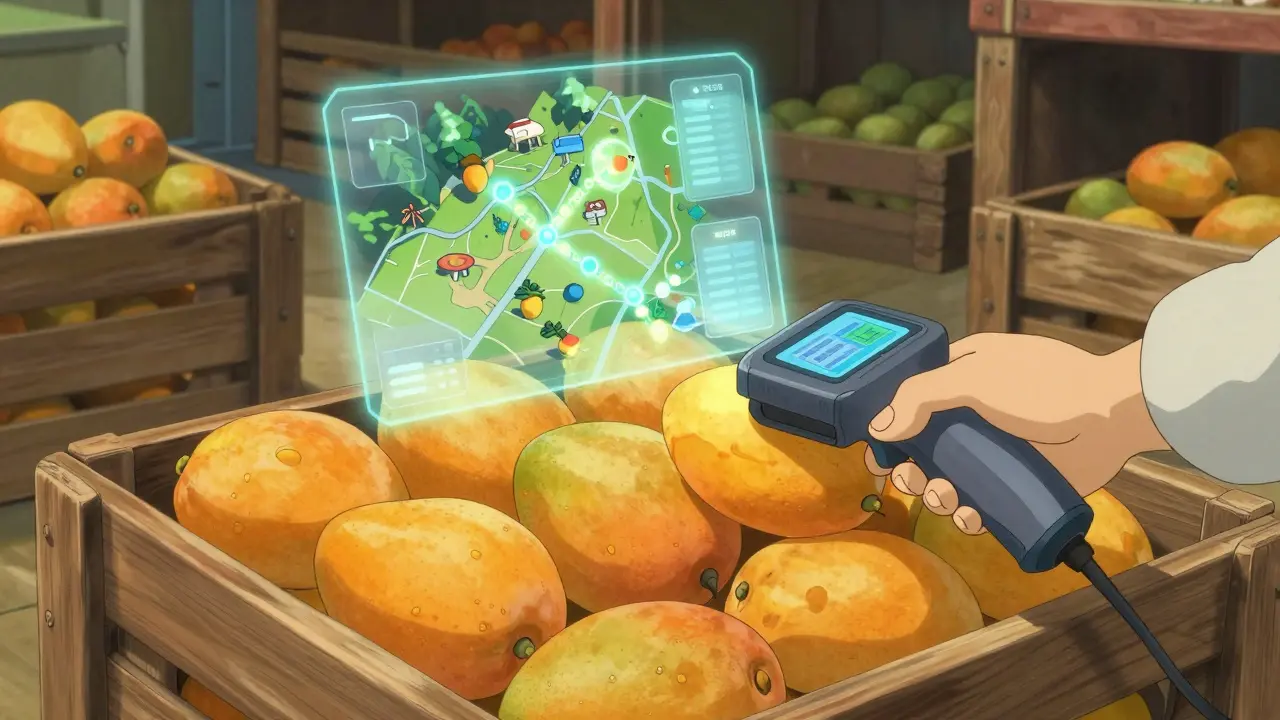
We are seeing the first real wins in the "premium" sector. In Vietnam, the TE-FOOD system tracks poultry and eggs across 6,000 companies. While it doesn't use full NFTs yet, it proves that the appetite for this data exists. More recently, Walmart's 2024 pilot for individual mango tracking showed that they could identify a specific problematic fruit in just 0.8 seconds.
However, the legal world is still catching up. Legal analysts at Simmons & Simmons have pointed out that in the US and EU, a digital NFT doesn't legally replace a physical label. You can't just put a QR code on a box and ignore government labeling laws. Furthermore, the EU Digital Product Passport initiative, which aims to mandate this kind of traceability by 2027, will likely force the industry's hand, whether the ROI makes sense yet or not.
How to Implement an NFT Traceability Pipeline
If you're a producer looking to move into this space, it isn't as simple as buying a few tokens. It's a full-scale infrastructure overhaul. The process usually takes 8 to 12 weeks for initial integration.
- IoT Hardware Deployment: Install RFID readers and NFC encoders in your facilities. Expect to spend $5,000 to $25,000 per site.
- Blockchain Selection: Decide between a public chain like Ethereum (better for consumer trust) or a private one like Hyperledger (better for corporate privacy).
- Token Engineering: Hire developers proficient in Solidity or Chaincode to build the smart contracts that handle ownership transfers.
- Data Standardization: Use frameworks like the Food Trust Network's 2024 schema so your data can "talk" to your distributors' systems.
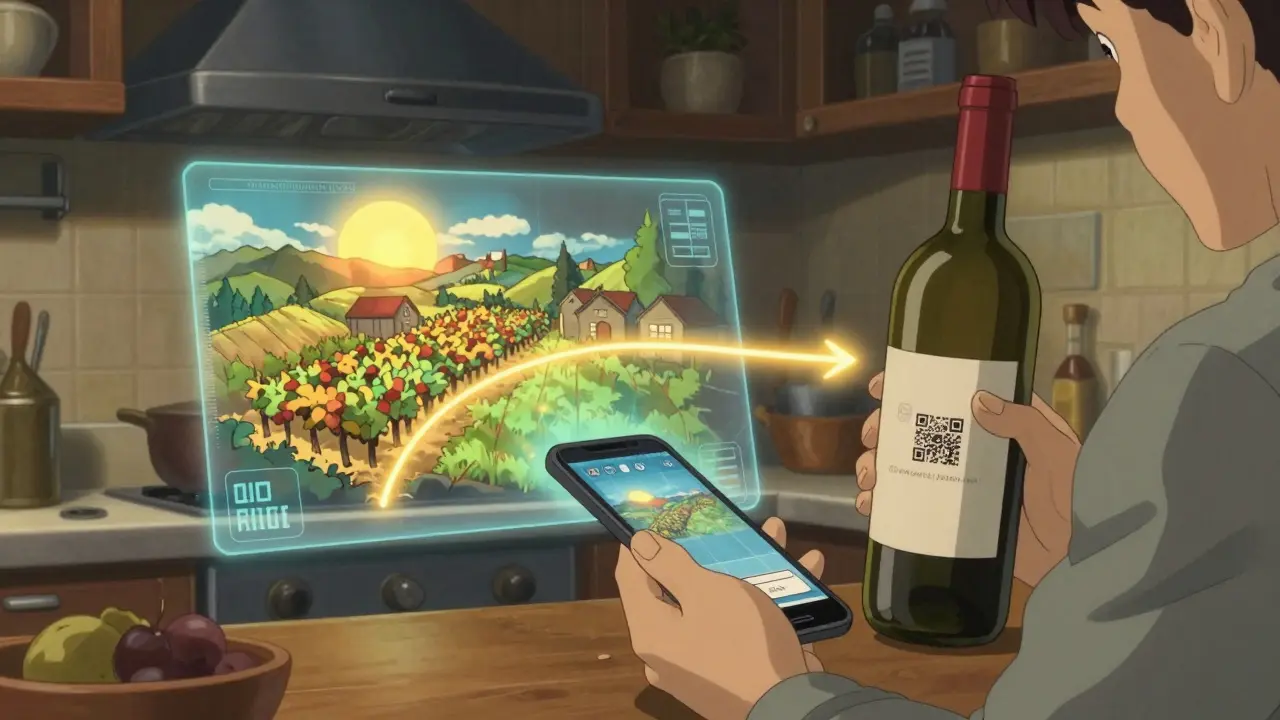
- Consumer Interface: Build a simple mobile app or web portal where a scan leads to a beautiful, transparent map of the product's journey.
What's Next for Your Plate?
We are currently at the "Peak of Inflated Expectations," according to Gartner. Some think every grape will have an NFT; others think it's an expensive toy. The truth is likely in the middle. We'll probably see a hybrid approach where high-value perishables (like organic produce, where fraud rates hit 12%) use full NFT tracking, while commodity grains use simpler blockchain batch tracking.
As AI begins to integrate with these ledgers, we'll see "smart recalls." Instead of a human analyzing data, an AI could automatically detect a temperature spike in a shipping container and instantly flag every individual NFT associated with that container as "spoiled," notifying retailers before the food even arrives.
What is the difference between a regular blockchain and an NFT for food?
Standard blockchain traceability usually tracks batches (e.g., "Lot #402 of organic kale"). NFT traceability tracks the individual item (e.g., "This specific bag of kale"). This allows for much more precise recalls and eliminates the need to throw away thousands of good products just because one item in a batch was contaminated.
Is it safe for the environment?
Early blockchain systems used "Proof of Work," which consumed massive amounts of energy. However, since "The Merge," Ethereum and other modern platforms have moved to "Proof of Stake," reducing energy consumption by over 99%. Most enterprise food systems use private blockchains (like Hyperledger) which have a very small energy footprint.
How do I know if the NFT data is actually true?
The blockchain proves the data hasn't been changed, but it can't prove the person who entered the data wasn't lying (the "garbage in, garbage out" problem). To fix this, companies use IoT sensors-like temperature probes and GPS trackers-that upload data automatically without human interference.
Can consumers actually use this today?
Yes, through pilot programs. Some premium brands of salmon, wine, and coffee now feature QR codes that link to a blockchain record. However, widespread adoption is still limited because it requires the consumer to have a smartphone and the interest to scan the code.
Who are the biggest players in this space?
IBM Food Trust is the dominant leader with about 32% market share. Other major players include TE-FOOD, Ripe.io, and retail giants like Walmart and Carrefour who are building their own internal tracking ecosystems.



Write a comment
Your email address will be restricted to us