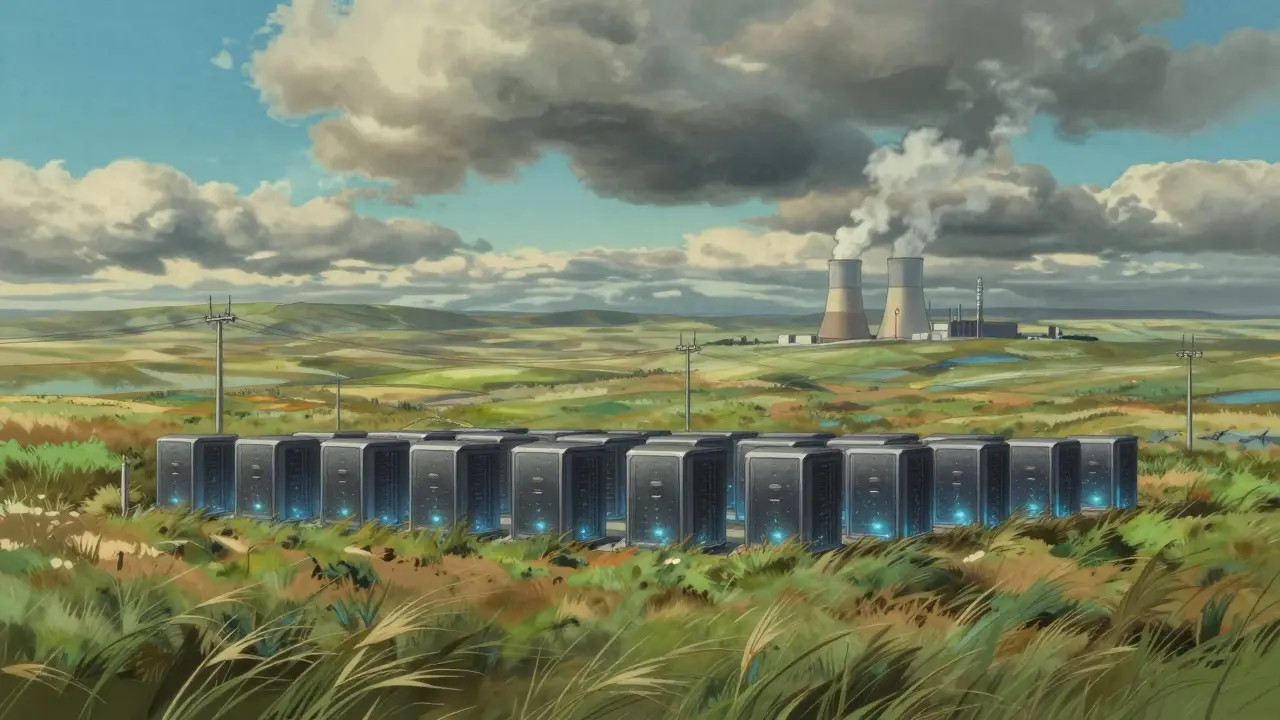
Imagine a country that went from being the world’s biggest Bitcoin mining hub to shutting down illegal farms that consumed enough power to light up entire cities. That is exactly what happened in Kazakhstan. If you are looking at Kazakhstan crypto mining restrictions, you need to understand that this isn't just about bureaucracy. It is about survival of the national power grid. After years of unchecked growth, the government has drawn a hard line between legal, regulated operations and illegal energy theft.
The landscape has changed dramatically since 2021. Today, mining is still possible, but only if you play by strict new rules involving licensing, taxes, and mandatory trading on specific platforms. For investors and operators, the question is no longer "Can I mine here?" but rather "How do I stay compliant while making a profit?" Let's break down the current reality, the energy crisis that triggered these changes, and what it means for your bottom line in 2026.
From Global Leader to Regulated Zone
To understand the current restrictions, you have to look back at how we got here. In 2019, Kazakhstan opened its doors to crypto miners fleeing bans in China. The electricity was cheap, and the government initially welcomed the investment. By 2021, Kazakhstan held more than 15% of the global Bitcoin hash rate. It was the undisputed king of crypto mining.
But that success came with a massive price tag. The rapid influx of mining rigs overwhelmed the national electrical infrastructure. We aren't talking about minor fluctuations. We are talking about blackouts in residential areas, hospitals losing power, and critical industries grinding to a halt. The strain was so severe that the government realized the status quo was unsustainable. The shift from a "wild west" environment to a heavily regulated zone wasn't a sudden whim; it was a necessary response to an infrastructure crisis.
Today, the National Bank of Kazakhstan (NBK) and other agencies enforce a framework designed to prevent another collapse. The goal is clear: allow legitimate business to thrive while eliminating the unregulated drain on the grid. This means every watt of electricity used for mining must be accounted for, taxed, and legally sourced.
The Energy Crisis That Changed Everything
The turning point was the sheer scale of illegal consumption. In August 2025, authorities dismantled a massive illegal mining operation in East Kazakhstan Oblast. This wasn't a small garage setup. This network consumed over 50 megawatt-hours of electricity. To put that in perspective, that amount of power could supply a city of 50,000 to 70,000 residents.
The value of that stolen electricity was approximately $16 million (9 billion tenge). The operation involved corrupt employees within utility companies who diverted power intended for local populations and strategic enterprises. This case exposed a deep systemic issue: insider corruption enabling large-scale energy theft. It proved that without strict oversight, the crypto sector could literally steal power from citizens.
This incident accelerated enforcement actions nationwide. The government made it clear that illegal mining is not just a regulatory violation; it is a threat to national security and public welfare. As a result, the tolerance for unregistered operations dropped to zero. Authorities began conducting coordinated raids with the Financial Monitoring Agency (FMA) and the National Security Committee (KNB), seizing assets including high-end apartments and vehicles purchased with illicit mining profits.
Current Legal Framework and Licensing
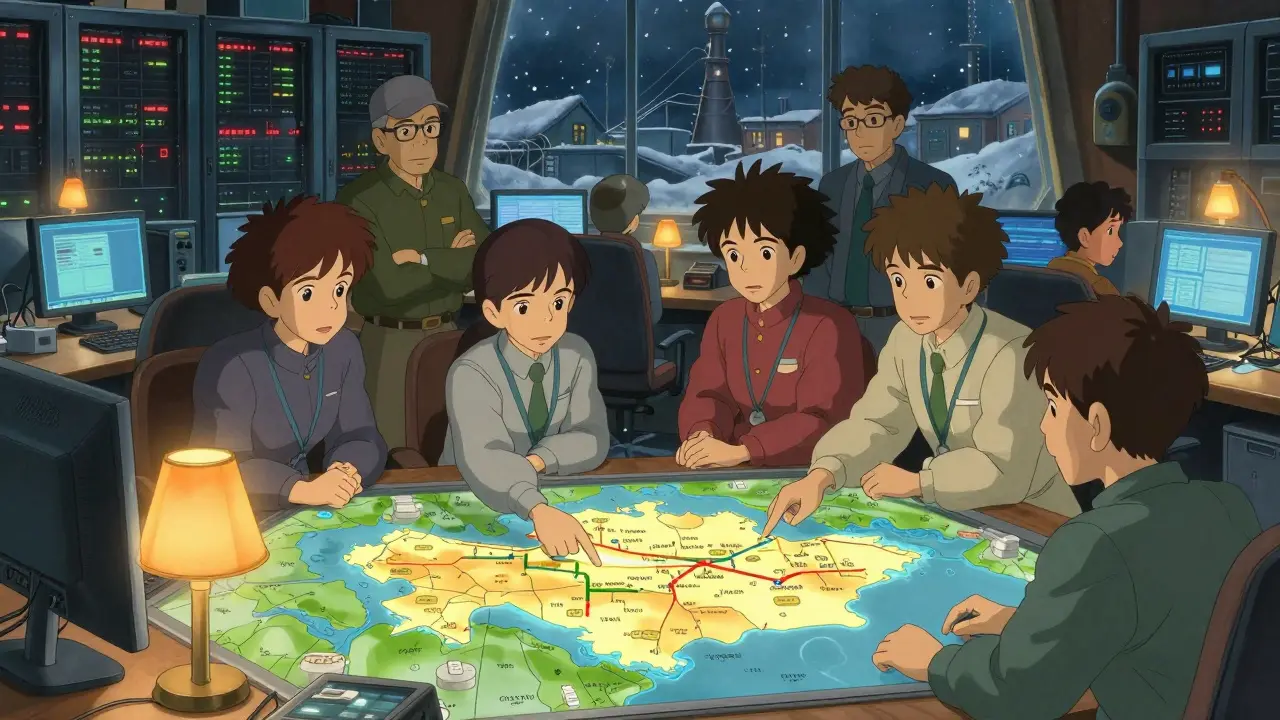
If you want to mine legally in Kazakhstan today, you need to navigate a complex web of requirements. As of 2025, cryptocurrency mining is legal, but it operates under some of the strictest frameworks globally. Here is what you need to know:
- Licensing: You must obtain a proper license from the relevant authorities. The government has issued 84 licenses to date, showing that entry is controlled.
- Registration: All mining machines must be registered. There were 415,000 machines registered as of 2023, providing the government with visibility into total capacity.
- AIFC Trading Mandate: This is a major change. Miners are now required to sell 75% of their cryptocurrency assets on platforms within the Astana International Financial Centre (AIFC). This increased from 50% in 2024, ensuring that most transactions happen within a regulated, transparent ecosystem.
- Taxation: Miners face a 15% tax rate on their operations. Additionally, a specific mining electricity tax was introduced in 2022 to ensure the sector contributes fairly to the national budget.
The Astana Financial Services Authority (AFSA) plays a crucial role here. By forcing trades through the AIFC, the government can monitor flows, enforce anti-money laundering (AML) rules, and prevent capital flight. It also protects miners by reducing the risk of dealing with shady, unregulated exchanges that might disappear with funds.
Electricity Access and Pricing
Access to power is no longer guaranteed or cheap. The days of plugging into the grid at industrial rates without scrutiny are over. Currently, mining farms can only purchase electricity through a state-run platform operated by the Ministry of Energy. Purchases are strictly limited to one megawatt-hour per transaction, preventing bulk hoarding and ensuring fair distribution.
During peak consumption periods, the government has implemented temporary restrictions on electricity supply to mining farms. This is a direct measure to stabilize the national grid when demand spikes, such as during winter months. If the grid is stressed, mining operations may be throttled or shut off temporarily. Operators must build their financial models around this risk, assuming potential downtime during critical hours.
However, there is a silver lining. The Energy Minister's representative, Tuleushin, has proposed a "70/30" energy program. Under this model, foreign investors would fund upgrades to thermal power plants. In return, 70% of the generated capacity goes to the national grid, and 30% is allocated exclusively to crypto miners. This approach aims to turn miners into partners in infrastructure development rather than parasites on the existing system. While still in discussion, it signals a willingness to integrate the sector if it brings investment and stability.
Enforcement and Risks
The government is serious about enforcement. By 2024, authorities had closed 36 unregulated cryptocurrency exchanges and confiscated 4,000 mining devices. These numbers are not static; they represent an ongoing campaign to clean up the market.
The risks for non-compliance are severe. Beyond fines, operators face asset forfeiture. The East Kazakhstan case showed that prosecutors trace money flows meticulously. If you buy a luxury apartment with profits from an unlicensed farm, that apartment will be seized. Criminal prosecution is also on the table for those involved in large-scale energy theft or money laundering.
For legitimate businesses, the main risk is operational complexity. Navigating the registration process with the National Association of Blockchain and Data Center Industry requires patience and legal expertise. Missteps in AML compliance or tax reporting can lead to license revocation. The barrier to entry has risen significantly, which is intentional. The government wants professional, well-capitalized players, not fly-by-night operators.
| Aspect | Pre-2023 (Wild West) | 2025-2026 (Regulated) |
|---|---|---|
| Licensing | None required | Mandatory license from NBK/MDDIAI |
| Electricity Source | Direct grid connection, often informal | State-run platform, 1 MWh limit per transaction |
| Trading Venue | Any global exchange | 75% must be sold via AIFC platforms |
| Taxation | Unclear/Untaxed | 15% operation tax + Electricity tax |
| Grid Priority | High priority for miners | Restricted during peak load/blackouts |
Future Outlook: Renewables and Innovation
Looking ahead, the focus is shifting toward sustainability. The government recognizes that relying solely on the existing thermal grid is not viable long-term. There is increased emphasis on renewable energy sources, with solar and wind projects being initiated to support crypto mining needs. This aligns with global trends where miners are increasingly pressured to use green energy.
Legislators like Ekaterina Smyshlyaeva have called for further refinements, including decriminalizing crypto trading for users of licensed platforms and mandating that miners store portions of assets on registered exchanges. These moves aim to increase transparency and reduce the shadow economy aspect of the industry.
For investors, the message is clear: Kazakhstan is no longer a place for quick, low-cost gains. It is a mature, regulated market that offers stability and legal protection in exchange for compliance and contribution to the national economy. If you can navigate the licensing, pay the taxes, and accept the trading mandates, you can operate in a country with abundant resources and a government that wants the sector to succeed-just not at the expense of its people.
Is crypto mining still legal in Kazakhstan?
Yes, cryptocurrency mining is legal in Kazakhstan as of 2026. However, it is strictly regulated. You must obtain a license, register your equipment, and comply with tax and anti-money laundering laws. Unlicensed mining is illegal and subject to severe penalties, including asset seizure.
What is the AIFC requirement for miners?
Miners are required to sell 75% of their mined cryptocurrency on platforms within the Astana International Financial Centre (AIFC). This rule was increased from 50% in 2024 to ensure transparency and keep financial activity within the regulated jurisdiction.
How much tax do miners pay in Kazakhstan?
Mining operations face a 15% tax rate on their income. Additionally, there is a specific mining electricity tax introduced in 2022. These taxes ensure the sector contributes to the national budget and helps offset the cost of energy infrastructure.
Why were mining restrictions introduced?
Restrictions were introduced due to a severe energy crisis. Illegal and unregulated mining farms consumed vast amounts of electricity, causing blackouts in residential areas and straining the national grid. The government intervened to protect essential services and ensure fair energy distribution.
Can I buy electricity directly for my mining farm?
No, you cannot buy electricity directly from the grid without going through official channels. Mining farms must purchase electricity through a state-run platform operated by the Ministry of Energy. Transactions are limited to one megawatt-hour per purchase to prevent hoarding and ensure equitable access.
What happens if I am caught mining illegally?
Consequences are severe. Authorities may confiscate your mining equipment, seize assets purchased with illicit profits (such as real estate or vehicles), and impose heavy fines. In cases of large-scale energy theft or corruption, criminal prosecution is possible.